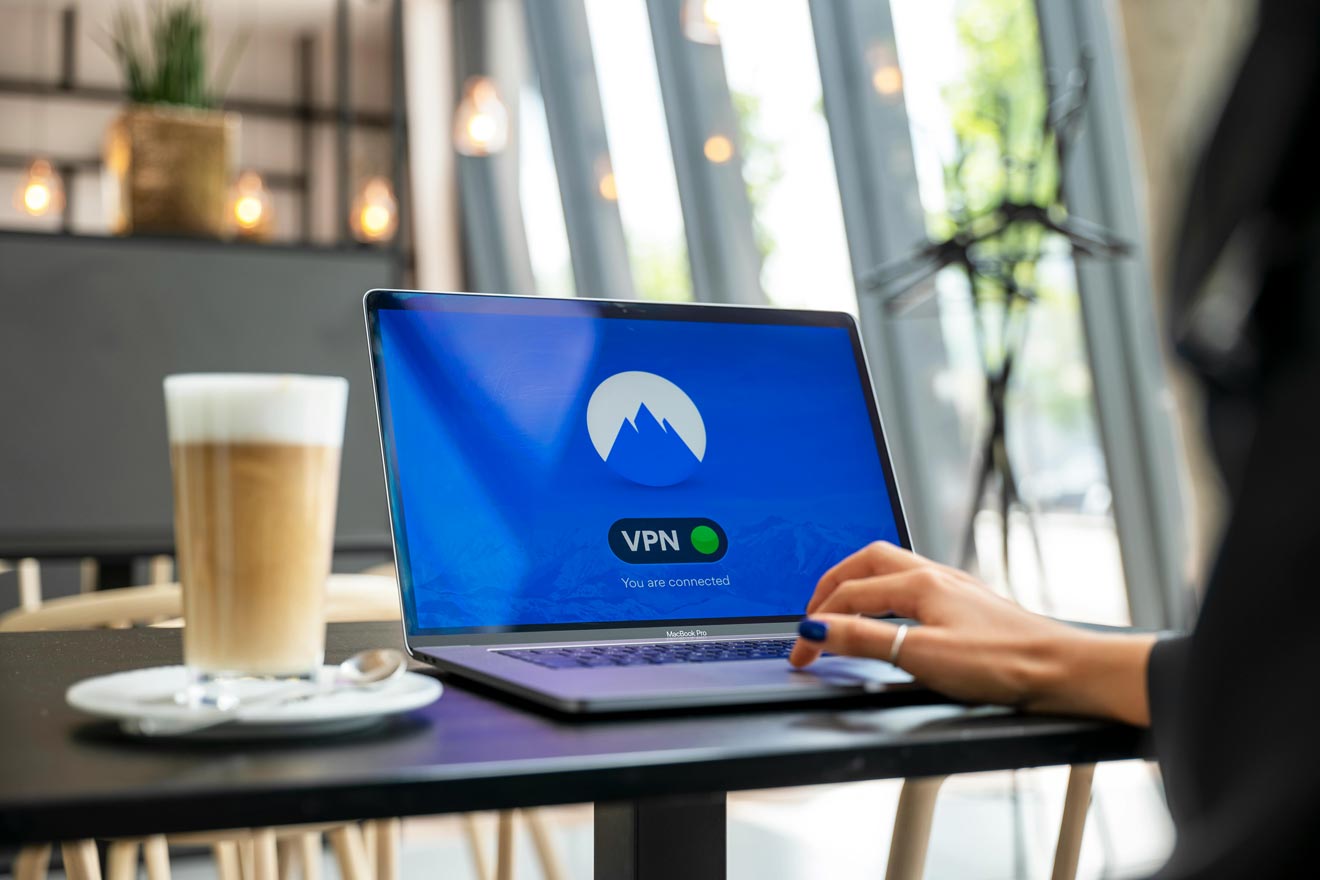
A VPN (Virtual Private Network) is like your internet bodyguard. It creates an encrypted tunnel between your device (phone, laptop, tablet, etc.) and the VPN’s remote server, located elsewhere in the world. Every bit of data you send or receive passes through this secure tunnel, ensuring that no one can easily snoop on your online activity.
Think of it like this: instead of going straight from your device to a website (where your IP address and location are exposed), a VPN routes everything through a middleman server. So when you visit a site, it only sees the VPN’s IP, not yours. That’s why you can appear to be browsing from New York even if you’re chilling in Hawaii.
Why You Should Use a VPN
There are a ton of reasons to use a VPN; it’s not just for tech nerds or people trying to access Netflix abroad.
- Stay Private Online: Your ISP (Internet Service Provider) can track everything you do. A VPN hides your traffic, making it almost impossible for them to log what you browse or download.
- Protect Your Data: On public Wi-Fi (airports, cafes, malls), anyone can potentially spy on your connection. A VPN encrypts it, so even if someone tries, all they see is nonsense.
- Access Geo-Blocked Content: Wanna watch shows or movies only available in another country? With a VPN, you can change your virtual location and unlock region-restricted stuff.
- Avoid Censorship: In some countries or networks (like schools or offices), certain sites are blocked. VPNs let you bypass that easily.
- Prevent Throttling: Some ISPs slow down your connection when you stream or game a lot. A VPN hides what you’re doing, so you can dodge that throttling.
- Safer Downloads: If you use peer-to-peer file sharing (like torrents), VPNs protect your IP and identity from exposure.
Best VPNs You can use right now
Alright, now to the main topic, the best VPNs you can get right now. These are all tried, tested, and top-rated by multiple expert sources in 2026.
NordVPN – The Best Overall

NordVPN is easily one of the top-performing VPNs in the world. It’s got over 6,000+ servers in 100+ countries, including virtual locations (since physical servers were removed due to privacy laws). It’s super fast thanks to its NordLynx protocol built on WireGuard, and it’s loaded with privacy tools like double VPN, Threat Protection blocks malware/ads, and a verified no-logs policy.
It’s great for streaming Netflix, gaming, or just staying secure while working remotely. If you want something that just works and offers elite performance, NordVPN is a solid 10/10 pick.
Pros:
- Excellent speeds
- Super secure (AES-256 encryption, kill switch, no logs)
- Works on all devices
- Great for streaming
Cons:
- A bit pricier than budget picks
Surfshark – Best Budget Pick
Surfshark is the go-to choice for anyone who wants solid protection without paying the premium price.. You can connect unlimited devices under one account, perfect for families or people with multiple gadgets.
Despite its low cost, it still offers military-grade encryption, a no-logs policy, a CleanWeb ad blocker, and even a camouflage mode that hides the fact you’re using a VPN. It’s also one of the fastest-growing VPNs globally, with over 3,200 servers.
Pros:
- Great price
- Unlimited devices
- Excellent speed & features for the cost
- Strong privacy features
Cons:
- Not as many advanced settings as Nord or Express
ExpressVPN – Best for Reliability and Ease
ExpressVPN has been a fan favorite for years for one main reason: it’s very reliable. It’s known for never dropping connections and for having one of the simplest, most polished apps ever. You can literally install it and connect within seconds.
It’s also backed by an independent audit confirming its strict no-logs policy and uses its own Lightway protocol built for speed and security.
Pros:
- Super beginner-friendly
- Very stable connections
- Top-notch customer support
- Works on tons of devices (TVs, consoles, routers)
Cons:
- Expensive compared to others
ProtonVPN – Best for Privacy
If you’re serious about digital privacy, ProtonVPN is a beast. It’s made by the same team behind ProtonMail (the encrypted email service). It’s based in Switzerland, so it’s outside surveillance alliances like Five Eyes.
ProtonVPN has a strict no-logs policy, open-source apps, and some of the strongest encryption tech available. It even offers a free plan with no data limits (rare in the VPN world).
Pros:
- Super privacy-focused
- Transparent, open-source
- Great free plan
- Fast speeds with WireGuard
Cons:
- Fewer servers than Nord or Express
Private Internet Access (PIA) – Best for Advanced Users
PIA is perfect if you like to tinker with settings and customize everything. It’s one of the most configurable VPNs out there and has proven its no-logs policy in court, multiple times. It’s also great for torrenting and heavy users who want control over encryption strength, DNS settings, and port forwarding.
Pros:
- Fully customizable
- Proven no-logs policy
- Affordable plans
- Large network of servers
Cons:
- The interface looks dated
- The setup might be confusing for newbies
CyberGhost – Best for Streaming Lovers
CyberGhost is built for people who stream a lot. It has over 9,000 servers and even has specialized ones for Netflix, Disney+, and Prime Video. You literally pick “streaming” from the app, and it automatically connects to the best server. It’s also great for beginners and works well across devices.
Pros:
- Huge server network
- Streaming-optimized servers
- User-friendly interface
- Affordable long-term plans
Cons:
- A bit slower than Nord/Surfshark
- Some servers are inconsistent
AtlasVPN – Underrated But Reliable
AtlasVPN is a newer player that’s gaining popularity for offering solid features at a low price. It’s now owned by Nord Security (the company behind NordVPN), so it benefits from that tech. It’s simple, modern, and perfect for basic users who don’t need too much customization.
Pros:
- Budget-friendly
- Decent speeds
- Owned by Nord Security
- Works great on mobile
Cons:
- Smaller network
- Lacks advanced tools
Final Words
A VPN isn’t just a tech accessory anymore; it’s practically a must-have in 2026. The internet today is way more connected, but also way more invasive than it used to be. Every click, search, and scroll leaves a digital footprint that companies, advertisers, and sometimes even governments love to track. Add to that the rise in public Wi-Fi use, remote work, and region-locked content, and suddenly, your online activity feels a little too exposed.
That’s where a VPN steps in; it’s like putting tinted windows on your digital life. You’re still cruising online, but no one can peek in. You can stream your favorite shows, handle sensitive work files, or just browse privately. A VPN gives you that extra layer of security and peace of mind.
And honestly, in an age where data privacy is slowly turning into a luxury, having a good VPN is one of the simplest, smartest moves you can make. Think of it like investing in a lock for your digital house. Once you have it, you’ll wonder how you ever felt safe without it.