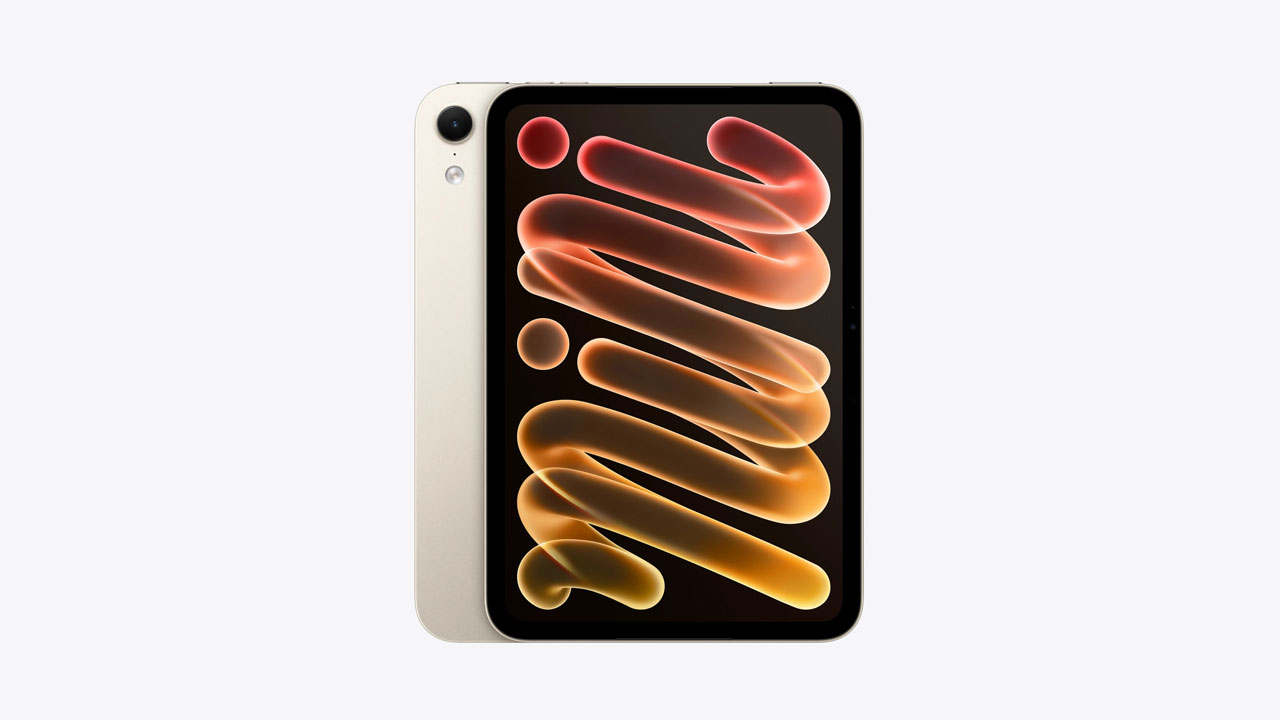
Apple has unveiled its new iPad mini, bringing several long-awaited improvements to its smallest tablet.
The latest model features an 8.5-inch OLED display, the A20 Pro chipset, a thinner design, IP67 water and dust resistance, improved speakers and faster connectivity.
On paper, it looks like a substantial upgrade over the previous iPad mini. However, a closer look reveals a more complicated picture.
Apple has finally addressed some of the tablet’s long-standing weaknesses, but it has also raised the price, and some important features remain missing.
The display still lacks a listed 120Hz ProMotion mode, the base model starts with 128GB of storage, and the advertised battery endurance remains at up to 10 hours.
Meanwhile, Android tablet manufacturers are offering features such as high-refresh-rate displays and faster charging, making the competition worth considering.
So, is the new iPad mini genuinely worth buying, or has Apple simply made its compact tablet more expensive? Let’s look at the upgrades, shortcomings, and alternatives before reaching a verdict.
Apple iPad Mini: What’s New?
The new iPad mini retains the compact design that distinguishes it from Apple’s larger tablets, but introduces several hardware improvements.
| Feature | New iPad mini |
|---|---|
| Display | 8.5-inch Super Retina XDR OLED |
| Resolution | 2316 × 1512 pixels |
| Processor | Apple A20 Pro |
| Storage | 128GB, 256GB, 512GB |
| Display refresh rate | 60 Hz |
| Battery life | Up to 10 hours of web browsing or video playback |
| Water resistance | IP67 |
| Connectivity | Wi-Fi 7, Bluetooth 6 |
| Charging | USB-C fast charging with a compatible adapter |
| Starting price | $699 |
Apple has also moved the front-facing camera to the landscape edge, introduced its Acoustic Display audio system, and upgraded wireless connectivity.
The tablet is just 5.4mm thick and supports Apple Pencil Pro and Apple Pencil (USB-C).
These are meaningful improvements, but specifications alone do not determine whether a product offers good value.
Several features deserve closer examination, particularly when the new model costs significantly more than an ordinary mid-range tablet.
1. OLED Display Is the Biggest Upgrade, but Where Is 120Hz?
The most significant improvement is the move from an LCD panel to OLED technology.
The previous iPad mini featured an 8.3-inch Liquid Retina LCD display.
While it offered good sharpness and colour reproduction, it could not match OLED’s ability to produce deep blacks, high contrast and more vivid imagery.
The new model upgrades to an 8.5-inch Super Retina XDR OLED display, with a resolution of 2316 × 1512 pixels and a pixel density of 326 pixels per inch.
Apple claims a contrast ratio of 2,000,000:1 and peak HDR brightness of up to 1,200 nits.
The panel also supports a minimum brightness of one nit, so it’s more comfortable to use in dark environments.
For watching films, playing games, reading comics, and viewing HDR content, this is a genuine improvement.
The larger display also provides more screen space without increasing the tablet’s overall footprint.
However, there is one major omission: Apple has not listed 120Hz ProMotion support for the new iPad mini.
This is disappointing for a tablet starting at $699. A high refresh rate can make scrolling feel smoother, improve the responsiveness of supported games, and provide a more fluid experience when using a stylus.
OLED technology improves contrast and colour, but it does not automatically make a display better in every respect.
The distinction becomes important when competing Android tablets offer OLED panels with refresh rates of 120Hz or higher.
If you prioritise gaming and smooth animations, do not assume the iPad mini is the superior display experience simply because it carries Apple’s Super Retina XDR branding.
Apple also offers an optional nano-texture finish on the 256GB and 512GB models. It is designed to reduce glare in bright environments, but it comes at a premium configuration cost.
Verdict: OLED is a long-overdue upgrade, but the absence of a listed 120Hz ProMotion mode prevents the display from being an unquestionable winner at this price.
2. A20 Pro Chip Is Powerful, but Do Most Users Need It?
The new iPad mini is powered by Apple’s A20 Pro processor, replacing the A17 Pro in the previous generation.
Apple claims up to 60% faster multithreaded CPU performance, up to 2.7 times the graphics performance, and up to 4.5 times the AI performance compared with the previous model.
These are Apple-reported figures, and actual performance will vary depending on the application and workload.
The chip should make the tablet better for demanding games, graphics-intensive applications, photo editing, and supported AI workloads.
Its newer graphics architecture also supports advanced features such as hardware-accelerated ray tracing.
For mobile gamers, this is certainly welcome. The compact form factor makes the iPad mini a great option if you want a powerful gaming device without carrying a full-sized tablet.
However, there is a difference between having more performance and actually needing it.
The previous iPad mini was already powerful enough for browsing, video streaming, note-taking, multitasking, and many demanding games.
Most users performing these tasks are unlikely to notice a dramatic improvement in everyday responsiveness.
The A20 Pro becomes more valuable if you regularly run demanding applications or intend to keep the tablet for many years.
For everyone else, it risks becoming an expensive specification that looks impressive on paper but makes little difference to daily use.
There is also a broader question about Apple’s priorities. A faster processor is useful, but a higher-refresh-rate display, better multitasking flexibility, or more generous base storage could arguably improve the experience for a wider range of buyers.
Verdict: The A20 Pro is a genuine performance upgrade, but it does not justify the higher price on its own.
3. A Thinner Design and IP67 Resistance: Useful Improvements
Apple has reduced the tablet’s thickness from 6.3mm to 5.4mm while retaining its compact footprint.
The new model also introduces an IP67 rating for water and dust resistance.
These changes make practical sense for a device designed to be carried everywhere.
The thinner body improves portability, and the water and dust resistance offers additional peace of mind when using the tablet outdoors, travelling or reading beside a swimming pool.
The IP67 rating means the tablet was tested for immersion in up to one metre of water for a maximum of 30 minutes under controlled laboratory conditions.
It does not make the device waterproof, and resistance can diminish with normal wear. Apple also states that liquid damage is not covered by its warranty.
Nevertheless, this is one of the more useful upgrades. A compact tablet is more likely to accompany its owner throughout the day, so additional environmental protection has genuine practical value.
The problem is that the thinner design does not fundamentally change what the iPad mini can do. It is a refinement rather than a reason for every existing owner to upgrade.
Verdict: Water and dust resistance are welcome additions, although they do not compensate for shortcomings elsewhere.
4. Improved Speakers and Landscape Camera
Apple has introduced an Acoustic Display system intended to improve audio output, including volume and bass performance.
This could make watching films, playing games and attending video calls more enjoyable without headphones.
However, actual sound quality will need to be checked in independent testing rather than judged solely by Apple’s claims.
The front-facing 12MP Center Stage camera has also moved to the landscape edge.
This is a sensible decision because many people use tablets horizontally during video calls, online classes and meetings.
The rear camera remains a 12MP unit with support for 4K video recording at up to 60 frames per second.
These changes improve the tablet’s usability, but neither is a major reason to upgrade.
Camera resolution alone does not determine image quality, and the new audio system needs real-world testing before its advantages can be quantified.
Verdict: Useful refinements, but not headline features that justify paying a premium by themselves.
5. Faster Connectivity and Charging, but the Battery Story Is Less Impressive
The new iPad mini supports Wi-Fi 7, Bluetooth 6, and Thread through Apple’s N1 wireless networking chip.
Cellular models use Apple’s C2 modem, which the company says can deliver up to 50% faster cellular data speeds than the previous generation.
These improvements should benefit users with compatible routers, networks, and accessories. They also help keep the tablet competitive as wireless standards continue to evolve.
Apple has introduced fast charging, with the company claiming that a compatible USB-C power adapter capable of providing at least 35W can charge the tablet to around 50% in approximately 30 minutes. However, the adapter is sold separately.
However, the advertised battery endurance remains up to 10 hours of web browsing on Wi-Fi or video playback.
That is the same rated endurance as the previous generation, rather than an obvious improvement.
This does not necessarily mean real-world battery life has remained unchanged.
The new processor could have efficiency advantages, and actual endurance depends on brightness, workload, network conditions, and applications.
Fast charging is also less impressive when buyers must purchase a suitable adapter separately. At this price, including a compatible fast charger would have made the package more complete.
Verdict: Connectivity is better, but charging improvements are less compelling when the adapter costs extra, and the advertised battery endurance has not increased.
6. Apple Intelligence and Siri AI: Don’t Buy the Tablet for Promises
The new iPad mini is a capable device for Apple Intelligence and its next generation of Siri AI features.
The A20 Pro has additional AI processing capabilities, while iPadOS 27 introduces software features designed to help you find information, understand on-screen content, and interact with Siri more naturally.
These capabilities could make the tablet more useful for students, professionals, and people who rely on AI-assisted workflows.
However, you should distinguish between hardware capability and features that are actually available.
Apple’s announcement states that Siri AI is available in beta with iPadOS 27.2 and requires a supported language.
Apple Intelligence also has language and regional limitations, and some features may not be available everywhere.
For Indian buyers, language availability is even more important. Apple’s published list of supported Apple Intelligence languages does not currently include Hindi.
You should check the latest language requirements before purchasing the tablet specifically for AI features.
There is another concern: AI features change quickly. A device should not be judged primarily on software promises when its usefulness depends on availability, quality, and future updates.
Verdict: The hardware is well equipped for AI workloads, but the software should have the features you can actually access today.
7. The 128GB Base Storage Is Not Particularly Generous
The new iPad mini starts with 128GB of storage, with 256GB and 512GB configurations available.
For someone who primarily browses the web, reads books, and streams content, 128GB may be sufficient.
However, if you download large games, store offline videos, work with creative applications or keep extensive files on their tablet may find it restrictive.
This is very relevant for a device marketed towards gamers and creative users.
Modern games can consume substantial storage, and several large installations can quickly eat into the available space.
The higher-capacity models solve the problem, but they also increase the total purchase price.
The optional nano-texture display is restricted to the 256GB and 512GB versions, which further limits the choice for buyers who want that feature without paying for more storage.
There is no microSD card slot for expanding storage later, so you must choose carefully at the time of purchase.
Verdict: The base capacity is usable, but it is not especially generous for a premium tablet in 2026.
8. Apple iPad Mini Price in the US: Is It Worth $699?
Apple has launched the new iPad mini in the US with a starting price of $699 for the 128GB Wi-Fi model.
The Wi-Fi + Cellular version starts at $849. Pre-orders open on October 28, 2026, with availability beginning November 6.
The tablet comes in Midnight and Starlight finishes.
The pricing is where the iPad mini faces some of its toughest questions.
The previous-generation model had already increased to $599 earlier in 2026, meaning the new model costs another $100 more at launch.
That is a 17% increase without any improvement to the base storage capacity, which remains 128GB.
At $699, the iPad mini is no longer an inexpensive secondary tablet. It is a premium purchase, and you should expect a balanced feature set rather than simply a powerful processor and an OLED display.
The OLED panel is a genuine improvement, but the display still lacks a listed 120Hz ProMotion mode.
The base model offers only 128GB of storage, and the advertised battery endurance remains up to 10 hours.
These limitations matter because they affect everyday usability, not just specifications on paper.
The higher-capacity models make the proposition even more expensive. The optional nano-texture display finish, designed to reduce glare, is available only on the 256GB and 512GB configurations and costs an additional $100.
That brings the starting price for a 256GB Wi-Fi model with nano-texture glass to $899.
At these prices, you should compare the iPad mini with alternatives such as the OPPO Pad Mini and larger tablets from Samsung.
Competitors offer higher-refresh-rate displays, faster charging, or more screen space for a similar budget.
Of course, the iPad mini has one advantage that larger tablets cannot easily replicate: its compact size. For people who specifically want a powerful tablet that is comfortable to carry everywhere, that convenience can justify a premium.
However, portability should not excuse every compromise.
At $699, the new iPad mini is considerably more expensive than its previous-generation predecessor, yet it still lacks some features that you might reasonably expect at this price.
9. What About the Competition?
Apple’s biggest advantages are its compact tablet design, powerful processor, and iPadOS application ecosystem.
However, Android competitors offer a different balance of hardware and features, and if you are spending around $700, you should consider what else your money can buy.
One alternative worth considering is the OPPO Pad Mini, which features an 8.8-inch OLED display with a 144Hz refresh rate, an 8,000mAh battery and 67W fast charging.
This is an interesting option for gaming, smoother scrolling, and shorter charging times.
On paper, the OPPO has an advantage in display refresh rate and charging speed.
However, you should also consider software support, application compatibility, sustained performance, and availability in the US before deciding which device offers better overall value.
Samsung’s Galaxy Tab S series is another option if you want a larger screen and more room for multitasking.
The Galaxy Tab S11, for example, is designed for productivity, entertainment, and stylus-based work. However, its larger size means it is not a direct replacement for the compact iPad mini.
The important point is that you should compare tablets based on your needs rather than brand loyalty.
The iPad mini is attractive for people who want a small, powerful tablet with access to iPadOS applications, but it does not automatically win every hardware comparison.
Is the New iPad Mini Worth Upgrading To?
The answer depends on the device you currently own and how you use it.
If you have the previous iPad mini with the A17 Pro chip, the new model offers a more convincing upgrade than a routine processor refresh.
The OLED display, water and dust resistance, improved speakers, larger screen, and faster connectivity are meaningful additions.
However, you should think carefully before upgrading. If the current tablet already handles your daily tasks comfortably, the lack of a listed 120Hz display and unchanged advertised battery endurance may make the upgrade less urgent.
For owners of older iPad mini models, the new device is a more substantial improvement. The combination of a modern processor, OLED display, and IP67 protection provides a stronger overall package.
First-time buyers have a different decision to make. If you specifically want a powerful, compact tablet for reading, portable gaming, note-taking, or travel, the iPad mini is worth considering. Its combination of size and performance remains its defining advantage.
But buyers who primarily watch films, multitask across several applications or use a tablet as a laptop replacement should look at larger options.
A more spacious display can make a greater difference to productivity than a faster processor.
Our recommendation: The new iPad mini is worth considering if portability is your top priority and you specifically want iPadOS. It is less compelling if you want the best display specifications, the fastest charging or the most hardware for your money.