Reliable Wi-Fi has become essential for work, entertainment, gaming, and smart homes. In 2026, router technology has taken a major leap forward with wider adoption of Wi-Fi 6, Wi-Fi 6E, and the early mainstream arrival of Wi-Fi 7. Choosing the right router now depends less on raw speed alone and more on coverage, stability, and future readiness.
Here are the best Wi-Fi routers of 2026 that you should buy right now. We have covered all major usage types, from budget-friendly options to high-performance routers.
TP-Link Archer BE9700 (Wi-Fi 7) – Best Overall
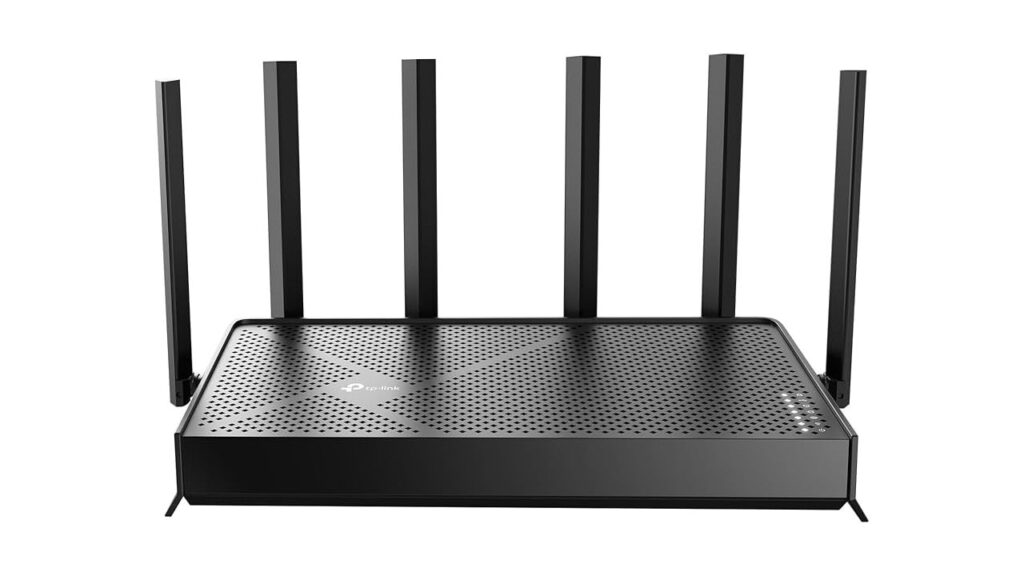
Balancing price, performance, and future readiness, the TP-Link Archer BE9700 earns the title of best overall Wi-Fi router in 2026. It delivers Wi-Fi 7 speeds without reaching the extreme pricing of flagship gaming routers.
With tri-band wireless, multi-gig Ethernet support, and strong signal coverage, it performs well across most use cases, including streaming, gaming, smart home connectivity, and remote work. If you are upgrading from older Wi-Fi 5 or Wi-Fi 6 routers, the BE9700 provides significant improvement.
Best suited for: Most households looking for a single, high-quality router.
TP-Link Archer AX10 (Wi-Fi 6) – Best Budget Wi-Fi Router
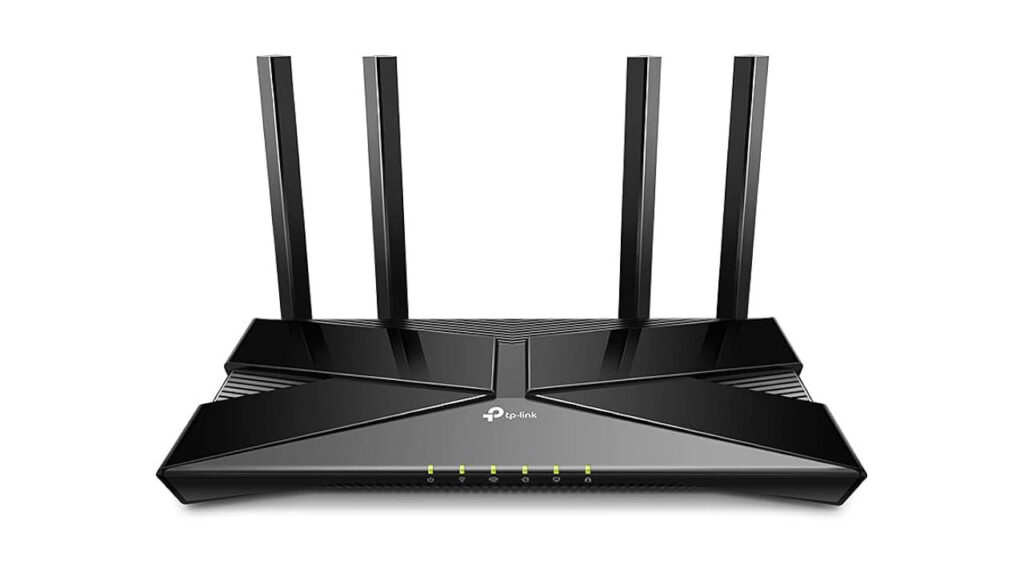
If you are seeking dependable performance at an affordable price, the TP-Link Archer AX10 is one of the best budget routers in 2026. Despite its low cost, it supports Wi-Fi 6, offering better efficiency, lower latency, and improved performance when multiple devices are connected.
The router delivers AX1500 speeds, which are more than sufficient for everyday browsing, HD streaming, online classes, and work-from-home setups. Its quad-core processor gives stable performance even with several connected devices. While it lacks advanced features like multi-gig ports or mesh expansion, it excels at what matters most in this category, reliability and value.
Best suited for: Small homes, apartments, students, and basic broadband plans.
TP-Link Archer GE800 (Wi-Fi 7) – Best for Gaming

The TP-Link Archer GE800 stands out as one of the most advanced gaming routers available in 2026. Built around the new Wi-Fi 7 standard, it offers extremely high throughput, reduced latency, and advanced traffic prioritization specifically designed for competitive gaming.
This router includes multi-gig Ethernet ports, a dedicated gaming QoS engine, and tri-band wireless support. These features help maintain stable ping times during online gaming sessions, even when other users are streaming or downloading content on the same network.
Its aggressive design may not suit all users, but from a performance perspective, it is among the best routers for serious gamers and power users.
Best suited for: Online gaming, high-speed fiber connections, and latency-sensitive applications.
TP-Link Deco BE63 Mesh System (Wi-Fi 7) – Best for Large Homes

Large homes often suffer from dead zones and inconsistent signal strength when using a single router. Mesh systems are the most effective solution, and the TP-Link Deco BE63 is one of the strongest options available.
This Wi-Fi 7 mesh system provides seamless coverage across multiple floors, with consistent speeds and stable connections throughout the home. The Deco system automatically manages device handoffs between nodes, so you cancan move freely without losing connectivity.
Setup and management are handled through a simple mobile app, so it is accessible even for non-technical users.
Best suited for: Large houses, multi-story homes, and families with many connected devices.
ASUS ROG Rapture Series (Wi-Fi 7) – Best for Future-Proofing
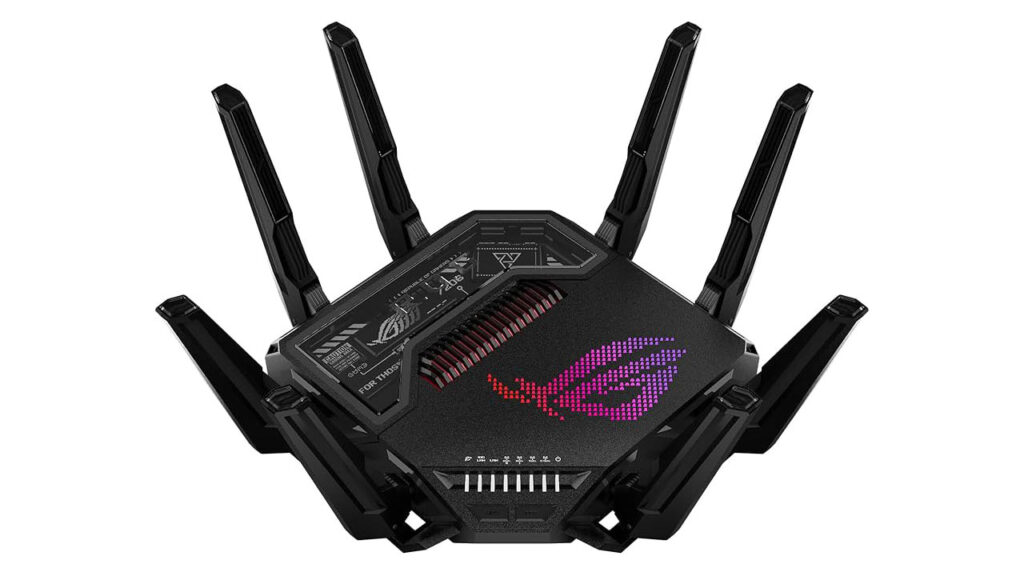
If you prefer to invest once and upgrade less frequently, a future-ready router is essential. ASUS’s ROG Rapture Wi-Fi 7 routers are designed with longevity in mind, offering cutting-edge wireless standards, powerful hardware, and long-term firmware support.
These routers include features such as 320 MHz channel support, multi-link operation, advanced security tools, and high-end thermal design for sustained performance. While they are expensive, they are built to handle upcoming internet speeds and next-generation devices for years to come.
Best suited for: Tech enthusiasts, early adopters, and long-term upgrades.
How to Choose the Right Wi-Fi Router
When selecting a router, you should consider the following things:
- Internet plan speed: Match router capability to your ISP connection.
- Home size: Larger homes benefit from mesh systems.
- Number of devices: Wi-Fi 6 and 7 handle congestion better.
- Longevity: Wi-Fi 7 offers the best future-proofing.
In 2026, the router market offers excellent options at every price point. Budget users no longer need to sacrifice reliability, while power users can take advantage of Wi-Fi 7’s next-generation performance.