The virtual reality (VR) landscape has undergone a profound transformation over the past few years. Once a niche corner of the tech world reserved for gaming enthusiasts and early adopters, VR has now entered the mainstream, finding applications in education, healthcare, entertainment, productivity, and the metaverse.
In 2026, we’re witnessing a new generation of VR headsets that are more powerful, ergonomic, and immersive than ever before. This is a comprehensive review of the best VR headsets currently available in 2026.
The focus will be on the user experience, performance, design, ecosystem, and value for money. This list includes the best VR headsets for a gamer, a professional creator, or someone exploring VR for the first time.
1. Apple Vision Pro

Price: $3,199
Platform: visionOS, Apple ecosystem
Best For: Professionals, mixed reality creators, premium users
Apple’s Vision Pro, first unveiled in 2024, has set the benchmark for premium mixed reality experiences in 2025. Though the hardware hasn’t received a major update, software improvements have significantly enhanced its performance and utility. It remains a favorite among professionals and digital creatives.
Key Features:
- Dual 4K micro-OLED displays with HDR
- Exceptional spatial audio and eye tracking
- Seamless integration with the Apple ecosystem
- Natural, intuitive hand gesture navigation
Pros
- Unparalleled visual clarity
- Industry-best hand and eye tracking
- Superb build quality and ergonomics
- Highly immersive spatial computing experience
Cons
- Very expensive
- Limited to Apple’s tightly controlled ecosystem
- Less focused on traditional gaming
The Vision Pro is the Rolls-Royce of VR headsets, an ultra-premium, meticulously engineered device for those who want the absolute best in mixed reality. Ideal for professionals and creatives, less so for gamers.
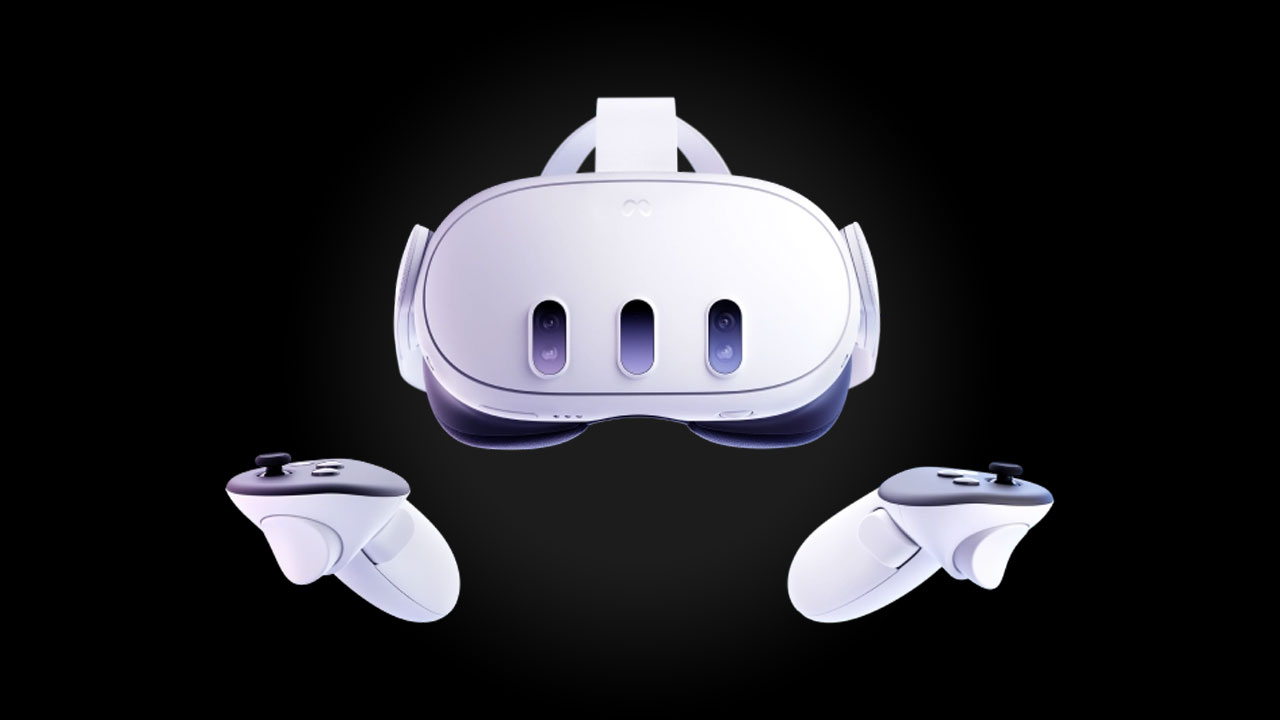
2. Meta Quest 3
Price: $499
Platform: Meta Horizon OS
Best For: Standalone VR gaming and social VR
Meta’s Quest 3 dominates the standalone VR space with its combination of performance, affordability, and accessibility. With updated optics, better mixed reality passthrough, and improved performance, it is the most user-friendly option for casual and mid-level VR Gamers.
Key Features:
- Snapdragon XR2 Gen 2 chip for enhanced performance
- 2064×2208 per eye resolution
- Full-color passthrough for mixed reality
- Lightweight, redesigned form factor
Pros
- Fantastic value for standalone VR
- Huge app library via Quest Store
- Smooth wireless PCVR via Meta Air Link
- Great for fitness, gaming, and social VR
Cons
- Build materials are budget-conscious
- Controllers still use AA batteries
- VR visuals lag behind higher-end headsets
The Quest 3 is the go-to headset for mainstream consumers. It’s affordable, flexible, and packed with content. A great entry point and a solid upgrade for Quest 2 users.
Check the latest price of Meta Quest 3
3. Valve Index

Price: $999 (headset only)
Platform: SteamVR
Best For: Hardcore PC gamers
Even after several years on the market, the Valve Index remains a staple among PCVR enthusiasts thanks to its exceptional build quality, unmatched tracking fidelity, and ultra-low latency. While newer headsets offer higher resolutions, the Index continues to shine where it counts for gamers: responsiveness and immersion.
Key Features:
- 1440×1600 per eye LCD panels with 120/144Hz refresh rate
- Wide 130-degree field of view
- Finger-tracking “Knuckles” controllers
- Precision lighthouse tracking
Pros
- Top-tier tracking and input fidelity
- Deep integration with SteamVR
- Great build quality and audio
- Perfect for modded and experimental games
Cons
- Requires external sensors and setup space
- Resolution now lags behind newer models
- Expensive and PC-bound
The Index is aging gracefully. It’s still one of the best for immersive, responsive VR gaming if you’re a PC enthusiast willing to invest in the full setup.
4. Sony PlayStation VR2

Price: $549
Platform: PlayStation 5
Best For: Console gamers
Sony’s PlayStation VR2 delivers a cinematic VR experience tightly integrated with the PS5. It features high-quality visuals, immersive haptics, and some of the best VR games in the industry, particularly exclusive titles that push storytelling and graphics to the console’s limits.
Key Features:
- OLED displays with 2000×2040 per eye resolution
- Inside-out tracking with no external sensors
- Adaptive triggers and haptic feedback
- Foveated rendering via eye tracking
Pros
- Plug-and-play simplicity for PS5 owners
- Gorgeous HDR visuals
- Robust catalog of exclusive games
- Excellent motion controllers
Cons
- Still requires a tethered cable
- Limited to PS5 content and ecosystem
- Less flexibility for non-gaming VR
The PS VR2 is a no-brainer for console gamers who want VR without needing a high-end PC. It delivers stunning performance and game immersion at a competitive price.
5. Pico 4 Ultra

Price: $599
Platform: Pico OS, SteamVR (via PC tether or wireless)
Best For: International users, enterprise, and casual PCVR
The Pico 4 Ultra is ByteDance’s flagship headset, offering solid hardware for both standalone and PCVR users. Its focus on international markets and enterprise applications makes it a favorite outside of the U.S., but it also caters to casual gamers and professionals.
Key Features:
- 2160×2160 per eye LCD displays
- Full-color passthrough with depth sensors
- Eye and face tracking support
- Balanced, comfortable design
Pros
- Competitive specs at a fair price
- Great for mixed use (standalone and PCVR)
- Useful enterprise features
- Lightweight and comfortable for long sessions
Cons
- The ecosystem is still developing
- Fewer exclusive apps and games
- Not widely supported in North America
A strong alternative to Meta’s offerings, especially for users in Europe and Asia. The Pico 4 Ultra holds its own with impressive hardware and growing third-party support.
6. Lynx R1
Price: $1,099
Platform: OpenXR
Best For: Developers, mixed reality enthusiasts, privacy-conscious users
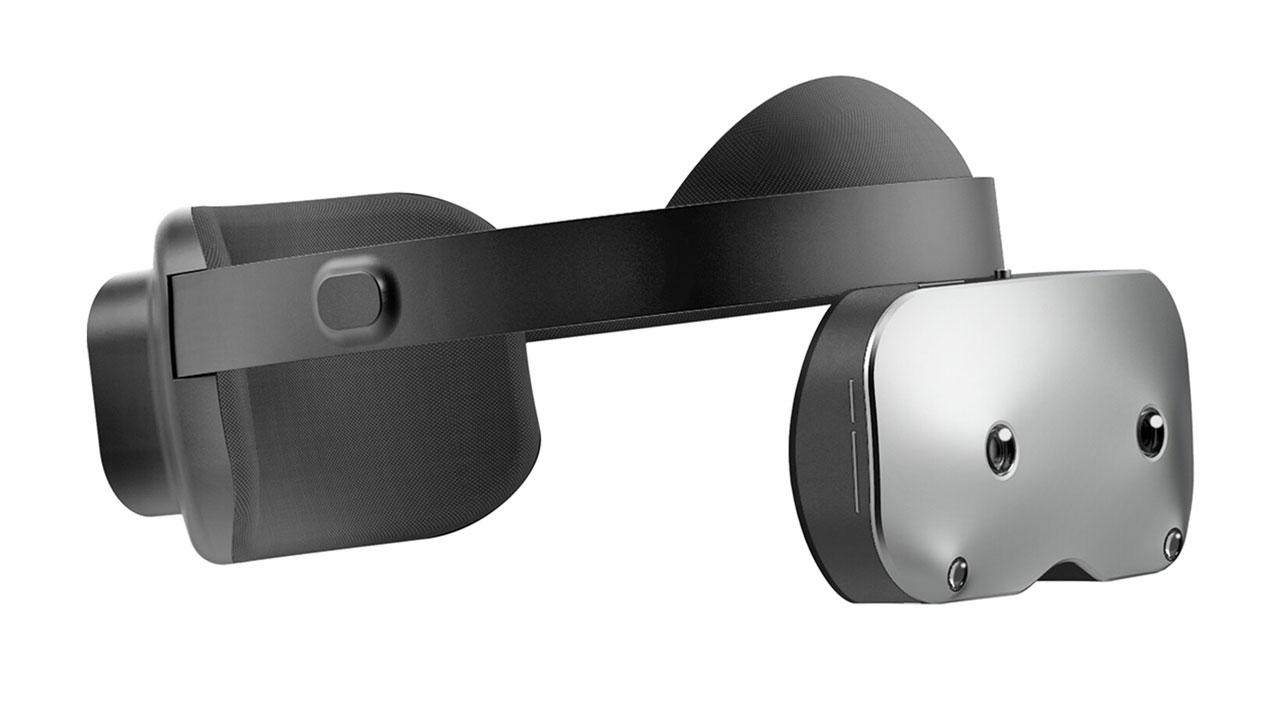
The Lynx R1 remains one of the most intriguing headsets on the market due to its open platform and emphasis on privacy. Designed for developers, researchers, and institutions, the R1 provides high-fidelity MR capabilities with minimal vendor lock-in.
Key Features:
- Advanced color passthrough with stereoscopic depth
- Snapdragon XR2 chipset
- Compact, lightweight frame
- No user data tracking by default
Pros
- Open-source friendly
- Excellent pass-through for MR applications
- Designed with privacy and ethics in mind
- High customizability
Cons
- Smaller developer community
- Not aimed at general consumers
- Sparse native app selection
The Lynx R1 is a niche product, but a valuable one for institutions and devs. If you want full control over your VR/MR experience, it offers features rarely found in consumer-grade hardware.
Final Thoughts
The virtual reality space in 2025 is more diverse and capable than ever before. What was once experimental hardware targeted at a niche audience has matured into a full spectrum of devices serving vastly different needs, from high-fidelity gaming and professional design to enterprise training and mixed reality development.
As VR continues to evolve, we’re likely to see even tighter integration between hardware and software, greater emphasis on mixed reality, and more nuanced use cases across industries. We will continue to update this list when new VR devices come to the market.