Before the launch of every new console generation, gamers often focus on hardware upgrades, exclusive games, and performance improvements.
However, one of the biggest talking points has always been price. Console prices rarely stay the same throughout their lifespan.
Some systems become cheaper within a year, while others remain expensive for several years due to strong demand, inflation, or rising manufacturing costs.
Today, we are taking a look at how PlayStation, Xbox, and Nintendo consoles have changed in price since their launch, and why these price changes happen
How Console Prices Have Changed Since Release
Unlike smartphones, which typically become cheaper every year, gaming consoles follow a different pattern.
Manufacturers often sell consoles at little or no profit during launch and recover costs through game sales, subscriptions, and accessories.
As production becomes more efficient, companies traditionally reduce prices to attract more buyers. However, recent generations have shown that this trend is no longer guaranteed.
PlayStation Console Price History
PlayStation (1994)
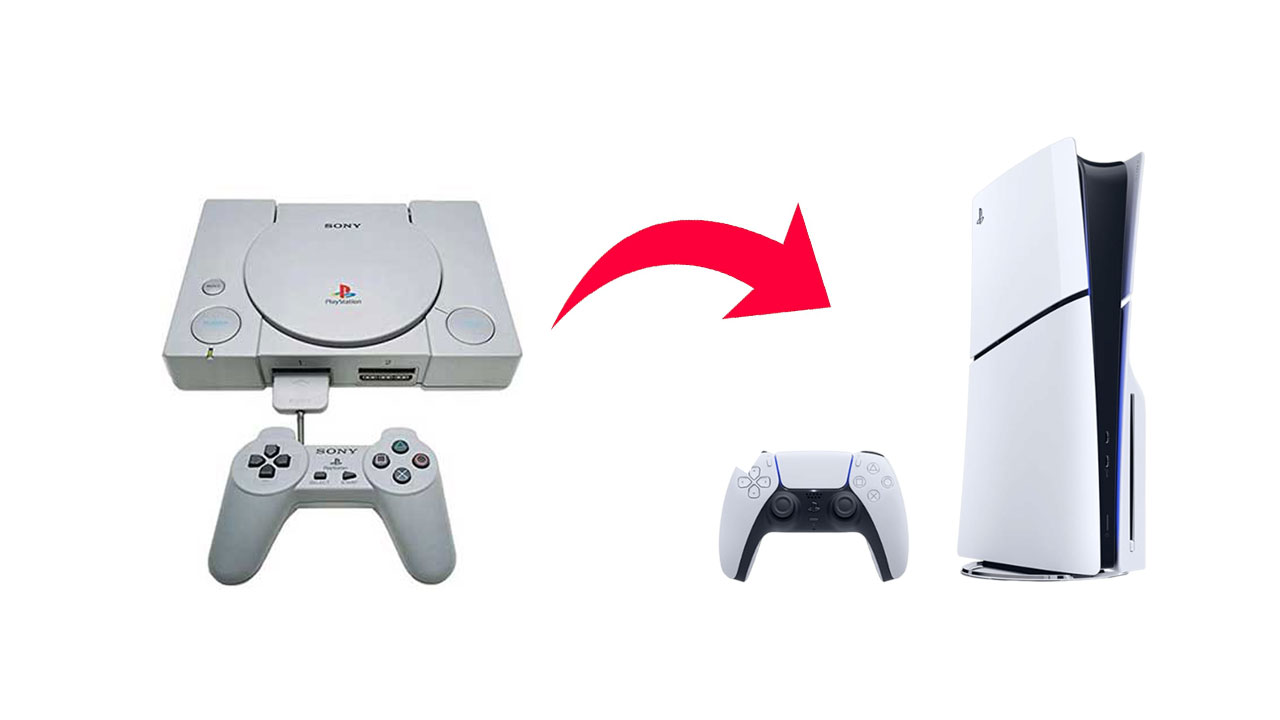
The original PlayStation launched in Japan in 1994 before arriving in North America in 1995 with a price of $299.
As manufacturing costs dropped and competition increased, Sony gradually lowered the price. By the late 1990s, the console could often be purchased for under $150, helping it become one of the best-selling gaming systems of all time.
PlayStation 2 (2000)
The PlayStation 2 debuted at $299, a price many considered excellent considering it also functioned as a DVD player.
Throughout its incredibly long lifespan, Sony reduced the price multiple times.
- Launch: $299
- Mid-generation: $199
- Final years: $149 and eventually $99 in several regions
These aggressive price cuts helped the PS2 sell more than 160 million units, making it the best-selling console ever.
PlayStation 3 (2006)
The PlayStation 3 had one of the most controversial launches in gaming history.
Sony introduced two models:
- 20GB model – $499
- 60GB model – $599
The high launch price was largely due to the inclusion of Blu-ray technology and advanced hardware. As manufacturing became cheaper, Sony significantly reduced prices.
Major price reductions included:
- Slim model launched at $299
- Super Slim models eventually dropped to around $269-299
The lower prices helped Sony recover after a difficult launch.
PlayStation 4 (2013)
Sony learned valuable lessons from the PS3. The PS4 launched at $399, undercutting Microsoft’s Xbox One by $100.
Here is how the PS4’s price changed:
- Launch: $399
- Holiday promotions: $299-349
- The slim model is frequently sold for $299
- Bundles often offered additional value without increasing the price
Unlike earlier generations, Sony focused heavily on bundle deals rather than permanent price reductions.
PlayStation 5 (2020)
The PlayStation 5 launched with two versions:
- Standard Edition – $499
- Digital Edition – $399
Instead of becoming cheaper, the PS5 experienced an unusual pricing history.
Several regions actually saw price increases because of global inflation, currency fluctuations, supply shortages, and rising production costs
Sony later introduced the PS5 Slim, but launch prices largely remained the same.
Today, discounts mainly appear during seasonal sales rather than permanent price cuts, marking a significant shift from previous PlayStation generations.
Xbox Console Price History
Original Xbox (2001)
Microsoft entered the console market with the original Xbox at $299. Competition with Sony forced Microsoft to reduce the price quickly.
Within a few years, the Xbox could often be found for under $199.
Xbox 360 (2005)
The Xbox 360 launched with multiple models:
- Core System – $299
- Premium Model – $399
Over time, Microsoft launched:
- Xbox 360 Slim
- Xbox 360 E
Alongside these revisions came regular price reductions, eventually bringing entry-level systems below $200.
Xbox One (2013)
The Xbox One launched at $499, largely because it included the Kinect sensor.
Consumer criticism led Microsoft to remove Kinect and to introduce a standalone console priced at $399.
Later models included:
- Xbox One S
- Xbox One X
Holiday sales frequently pushed Xbox One prices below $250, making it significantly more affordable later in its lifecycle.
Xbox Series X and Series S (2020)
Microsoft introduced two consoles
- Xbox Series X – $499
- Xbox Series S – $299
Unlike previous generations, permanent price cuts have been limited. Instead, Microsoft has relied on game pass promotions, bundle offers, and temporary discounts
In some markets, official retail prices have even increased due to inflation and currency changes.
Nintendo Console Price History
Nintendo Entertainment System (NES)
The NES launched in North America for around $179.
As production costs declined, bundle offers became more common, though Nintendo historically preferred to add games rather than dramatically lower hardware prices.
Super Nintendo Entertainment System (SNES)
The SNES debuted at approximately $199.
Price reductions occurred gradually, eventually bringing it below $150 before the end of its lifecycle.
Nintendo 64
The Nintendo 64 launched at $199, making it one of Nintendo’s more affordable home consoles. Competition from Sony resulted in several price reductions during its lifespan.
Nintendo GameCube
The GameCube launched at $199. Nintendo later reduced the price to $149, making it one of the least expensive sixth-generation consoles.
Wii
The Nintendo Wii launched in 2006 at $249. Because of massive demand, Nintendo kept the price unchanged for several years.
Eventually, Price dropped to $199, and Wii Mini launched at an even lower price point
Wii U
The Wii U launched at:
- Basic Set – $299
- Deluxe Set – $349
Weak sales led to several bundle promotions and discounts throughout its lifetime.
Nintendo Switch (2017)
The Nintendo Switch launched at $299. Unlike most consoles, Nintendo has never permanently reduced its launch price in major markets.
Instead, the company expanded the lineup by introducing Nintendo Switch Lite and Nintendo Switch OLED
Rather than replacing the original Switch with a cheaper version, Nintendo created different models aimed at different audiences.
Even years after release, the original Switch continues to sell at or near its original MSRP in many regions.
Nintendo Switch 2(2025)
The Nintendo Switch 2 launched in 2025 with a starting price of $449.99 for the standalone console, while a bundle including Mario Kart World launched for $499.99. Compared to the original Switch’s $299 launch price in 2017, the Switch 2 represented Nintendo’s biggest home-console price increase to date.
Unlike previous Nintendo generations, the Switch 2 has not received any official permanent price reductions since its release. Nintendo has maintained its launch pricing across most major markets, with occasional retailer discounts and promotional bundles providing the primary opportunities for savings.
The higher launch price also comes with several major hardware upgrades, including a larger 1080p display with support for up to 120Hz, improved processing power, increased storage, upgraded Joy-Con 2 controllers with magnetic attachment, and enhanced support for modern games.
Why Console Prices Change
As hardware components become cheaper to produce, manufacturers can afford to reduce retail prices while maintaining profitability.
When rival companies lower prices or launch new hardware, competitors often respond with discounts or promotional bundles.
High demand can keep prices stable for years. During the PlayStation 5 launch period, supply shortages even caused prices to increase in several regions.
Recent console generations have been affected by inflation and exchange rate fluctuations, leading to price increases instead of reductions in some international markets.
Slim or redesigned consoles often replace the original model. While they may launch at a similar price, they typically offer better efficiency, quieter operation, or more storage, giving consumers greater value without an official price cut.
The Shift in Modern Console Pricing
For decades, gamers expected consoles to become significantly cheaper after a few years. The PlayStation 2, Xbox 360, and Wii all followed this pattern.
That expectation has changed. Modern consoles are built with more expensive components, face longer development cycles, and operate in a market affected by inflation and global supply chain challenges.
As a result, manufacturers now rely more on limited-time promotions, bundles, subscription services, and revised hardware models rather than permanent MSRP reductions.
This shift means today’s gamers often need to wait for seasonal sales instead of expecting official price cuts.
The history of PlayStation, Xbox, and Nintendo console pricing reflects the evolution of the gaming industry itself.
Earlier generations routinely saw substantial price reductions as manufacturing costs fell and competition intensified.
In contrast, modern consoles have proven far more resistant to permanent discounts, with inflation, component costs, and strong demand reshaping pricing strategies.
As the next generation of consoles approaches, pricing will remain one of the most closely watched aspects of the gaming industry.