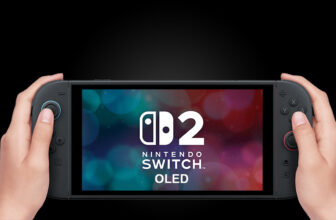
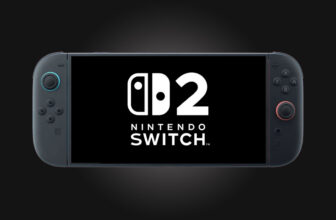
Nintendo’s hybrid console strategy has split into two very different paths: one focused on next-gen performance, and the other on refinement of a proven classic. On one side, you have the all-new Nintendo Switch 2, built to push Nintendo into a more modern, powerful era. On the other hand, there’s the Nintendo Switch OLED, which perfects the original Switch formula with a stunning display and better build quality.
If you’re trying to decide which one deserves your money, this comparison breaks everything down: design, display, performance, battery life, and overall value.
Design
The Nintendo Switch OLED is not a new generation console. It’s a premium revision of the original Switch, aimed at players who love handheld gaming and want the best screen possible without changing how games run.
The Nintendo Switch 2, however, is a true generational leap. Nintendo designed it to handle more demanding games, higher resolutions, and modern graphics techniques while keeping the hybrid handheld-plus-dock idea intact.
Display
The screen is the OLED model’s biggest flex. Its 7-inch OLED panel delivers deep blacks, vibrant colors, and excellent contrast. Games with darker scenes or bold art styles look incredible in handheld mode, and it’s still one of the best displays on any gaming handheld.
The Switch 2 goes in a different direction. It uses a larger, higher-resolution LCD panel with support for modern features like HDR and high refresh rates. While it doesn’t match OLED’s pure contrast, the jump to a sharper 1080p handheld resolution makes games look cleaner and more detailed, especially text-heavy or fast-moving titles.
If you mostly play handheld and care about color and contrast, OLED still feels premium. However, if you care about sharpness, smoother motion, and future game visuals, Switch 2’s display wins.
Performance and Hardware Power
This is where the gap becomes impossible to ignore. The Switch OLED uses the same internal hardware as the original Switch. It runs Nintendo’s current library well, but it’s clearly capped. Games are typically locked to lower resolutions and frame rates, especially in handheld mode.
The Switch 2 introduces a custom, much more powerful Nvidia-based chip. This unlocks significantly higher frame rates, better lighting, and visual effects, advanced upscaling for sharper images, and True 4K output when docked
For smoother gameplay and better-looking third-party titles, the Switch 2 is in a completely different league.
Docked Gaming Experience
Docked play highlights the generational split even more. The Switch OLED tops out at 1080p on a TV. It looks fine, but on large modern TVs, games can feel a bit soft.
The Switch 2 is built for modern displays. When docked, it can output much higher resolutions and smoother frame rates, making it far more comfortable on big 4K TVs. If you play mostly docked, the Switch 2 feels more “current-gen.”
Controllers and User Experience
Switch OLED ships with standard Joy-Cons, iconic but unchanged. They get the job done, but issues like comfort and long-term durability are well known.
Switch 2 introduces updated controllers with a sturdier attachment system and improved ergonomics. The console also adds better built-in communication features, reducing reliance on external apps for basic social play. It’s not revolutionary, but it’s a noticeable quality-of-life upgrade.
Battery Life
This is one category where the OLED still holds its ground. Because it uses older, less power-hungry hardware, the Switch OLED generally lasts longer in handheld mode. It’s better suited for long trips or extended gaming sessions away from a charger.
The Switch 2 trades battery longevity for performance. More power means higher drain, especially in demanding games. It’s fine for everyday use, but heavy players will charge more often.
Storage and Expandability
Storage is another area where the Switch 2 clearly moves ahead. Switch OLED has Modest internal storage that fills up quickly if you buy digital games. Switch 2 has much larger internal storage, making it easier to maintain a big digital library without constantly juggling space
Both support expandable storage, but the Switch 2 has far more space right out of the box.
Game Compatibility
The Switch OLED has one major advantage: access to a massive, mature library of games that already run perfectly.
The Switch 2 is backward compatible while also being the platform Nintendo will build future titles around. Over time, more games will be designed specifically to take advantage of its stronger hardware, making it a better long-term investment.
Price and Value for Money
The Switch OLED is significantly cheaper and delivers a premium handheld experience for the money. It’s an excellent choice if you want Nintendo games without spending on next-gen hardware.
The Switch 2 costs more, but you’re paying for longevity, performance, and modern features. Over the next several years, it’s the console that will age better.
Final Verdict
Choose the Nintendo Switch OLED if you mostly play handheld, want better display quality and battery life, andare searching for a more affordable entry into Nintendo gaming
Choose the Nintendo Switch 2 if you want smoother performance and better graphics, prefer to play docked on a large TV, and care about future-proofing and long-term support
Both consoles are great; they just serve very different players. The OLED is the best version of the past, while the Switch 2 is clearly Nintendo’s bet on the future
Best Nintendo Deals
- Best deals on Nintendo eShop Cards
- Best deals on Nintendo Switch Online
- Best deals on Nintendo Switch Online + Expansion Pack
- Best deals on Nintendo Switch Online 12 Months