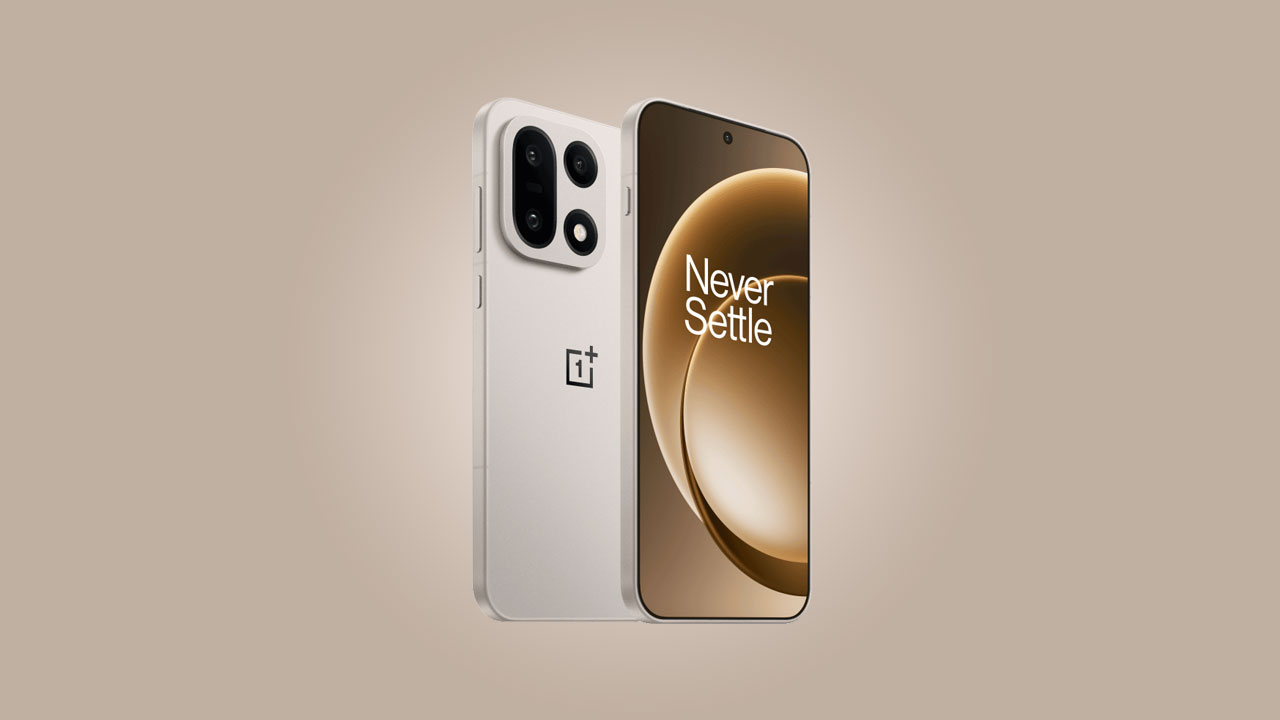
The flagship smartphone market has a pricing problem. Buying a top-end smartphone increasingly means spending $1200 or more, and some manufacturers are charging close to $2000 for their most expensive models.
While these devices offer impressive cameras, powerful processors, premium displays, and sophisticated software, it is becoming increasingly difficult to justify their prices.
The frustrating part is that smartphones have not suddenly become luxury products.
They are still everyday devices used for messaging, gaming, photography, entertainment, work, and browsing the internet.
Yet, the smartphone industry increasingly treats flagship ownership as a premium lifestyle choice rather than an opportunity to deliver the best technology at a reasonable price.
This is why OnePlus deserves attention. The company has raised its prices over the years, but its flagship phones continue to compete on performance, battery life, display quality, and fast charging, which makes them compelling alternatives to considerably more expensive devices.
OnePlus is not necessarily the cheapest flagship smartphone brand, but it remains one of the brands worth considering when you want flagship-level hardware without paying an enormous premium for the name on the back.
Other Smartphone Brands Have Made Flagships Unnecessarily Expensive
Consider the flagship smartphones sold by Apple, Samsung, Vivo, OPPO, and Xiaomi. Their top-end devices deliver impressive technology, but their prices have climbed to levels that would have seemed extraordinary just a few years ago.
The Samsung Galaxy S26 Ultra, for example, starts at $1150 on Samsung’s current store listing, while the iPhone 18 Pro Max starts at $1300.
Xiaomi’s Ultra-series smartphones also compete in this expensive segment. These are substantial amounts of money for a device that many people will replace after a few years.
Of course, these smartphones have features that justify some of their premium.
Samsung offers its S Pen and advanced camera capabilities, Apple has a tightly integrated ecosystem and strong video performance, and camera-focused devices from Vivo and Xiaomi can deliver excellent photography.
But the question is whether every improvement justifies the price difference.
A phone costing $2000 is not automatically twice better than one costing $1000. It might have a better camera, a brighter display, or additional features, but the overall everyday experience is not necessarily twice as good.
Manufacturers have become exceptionally good at convincing consumers that the most expensive version is the one worth buying.
What they often fail to explain is how much practical value the additional spending delivers.
OnePlus Still Understands What Performance-Focused Buyers Want
OnePlus built its reputation by challenging expensive flagship smartphones with devices that delivered powerful hardware at more competitive prices.
Its original appeal was simple: give users a fast, smooth smartphone without making them pay the traditional flagship premium.
That philosophy has changed as the brand has expanded, and its latest flagship phones are not inexpensive. However, OnePlus continues to prioritise features that matter to performance-focused users.
The OnePlus 15, for example, has a flagship Snapdragon processor with a high-refresh-rate AMOLED display, a large battery, and fast charging.
These are meaningful benefits for people who play demanding games, multitask frequently, watch content, and expect their phones to remain responsive throughout the day.
Instead of making buyers choose between a powerful processor and a good battery, OnePlus aims to provide both in the same device.
Its fast charging is another practical advantage for people who would rather spend less time connected to a charger.
This is what makes a value-for-money flagship compelling. It is not simply about putting the fastest chip inside a phone.
It is about combining powerful hardware with features that improve everyday use while keeping the final price competitive.
The Problem With Paying Extra for the Brand
There is nothing wrong with paying more for a product that offers a genuinely better experience. The problem begins when the brand name becomes a major part of the justification for its price.
Apple and Samsung have built strong reputations, and their premium devices offer advantages that some buyers genuinely value.
Their software ecosystems, camera capabilities, long-term support, and resale value can all influence the total ownership experience.
However, brand loyalty should not prevent consumers from questioning whether a phone is worth its asking price.
If a OnePlus flagship delivers excellent gaming performance, a quality display, dependable battery life, fast charging, and a smooth interface for substantially less money than a competing Ultra model, it deserves serious consideration.
You should not automatically assume that the more expensive device is the better purchase.
The same applies to other manufacturers. A flagship smartphone should earn its premium price through meaningful advantages, not merely through its positioning as the company’s most expensive model.
A Value-for-Money Flagship Should Not Require Major Compromises
There is an important difference between an affordable flagship and a value-for-money flagship.
An affordable flagship may cut corners to achieve a lower price. It might use a less capable camera system, omit wireless charging, offer weaker water resistance, or compromise on materials.
A value-for-money flagship, on the other hand, aims to deliver a well-rounded premium experience at a more reasonable price.
It should offer excellent performance, a quality display, a dependable battery, capable cameras, good build quality, and long-term software support without charging an unnecessarily high premium.
OnePlus has traditionally appealed to buyers who prioritise performance and everyday usability.
Although its cameras may not always match the very best camera-focused flagships, its combination of speed, battery life, charging, and display quality can make it a more sensible purchase for many users.
The important thing is balance. A phone does not become good value simply because it has an impressive specification sheet.
Software reliability, camera consistency, durability, after-sales support, and the actual selling price all matter.
Other Brands Can Still Offer Value, but OnePlus Has a Strong Case
It would be unfair to suggest that every competing manufacturer has abandoned value for money. Brands such as iQOO also offer performance-focused flagships at competitive prices.
Meanwhile, Samsung, Apple, Xiaomi, and Vivo seem to be completely abandoning the idea of providing more value to users for their money.
Indeed, a 2026 Indian smartphone survey published by 91mobiles also placed iQOO and OnePlus in perceived value for money among surveyed users.
However, the broader concern remains: the premium flagship market has increasingly shifted towards higher prices, and consumers are often expected to pay more for improvements that may not even matter to them.
OnePlus has an opportunity to stand apart by refusing to make prestige pricing the centre of its flagship strategy.
It does not need to undercut every competitor or offer the best camera in every comparison. It needs to deliver a compelling overall package at a price that makes sense.
That is a much more meaningful goal than simply making the most expensive smartphone possible.
Final Words
The smartphone industry has made enormous technological progress, but consumers should not have to spend more to enjoy a fast, capable, premium smartphone.
Apple, Samsung, Vivo, OPPO, and Xiaomi all make impressive flagship devices. Their expensive models have legitimate strengths, but that does not mean their prices are automatically justified for every buyer.
A flagship smartphone should represent the best balance of technology and price, not simply the most expensive device a brand can sell.
OnePlus has a chance to preserve that idea in a market increasingly obsessed with premiumisation.
If it continues to deliver genuinely useful hardware at competitive prices, it can remain one of the most appealing choices for consumers who want a flagship smartphone without paying luxury-level prices.
Because at the end of the day, consumers are buying smartphones to use them, not to prove they can afford them.