Finding a good smartphone under ₹15,000 is easier than ever, but choosing the right one still depends on what matters most to you.
Some phones offer powerful processors for gaming, while others focus on camera quality, battery life, or a display that makes watching videos more enjoyable.
With 5G connectivity, fast-refresh-rate screens, and large batteries becoming common in this price range, you have plenty of options to consider.
If you are looking for the best smartphone under ₹15,000 in India, here are our top recommendations for different needs, along with their strengths and limitations.
Prices and availability can change with sales, stock, and RAM or storage configurations. Check the price of the exact variant before purchasing.
1. Best Overall: POCO M7 Pro 5G
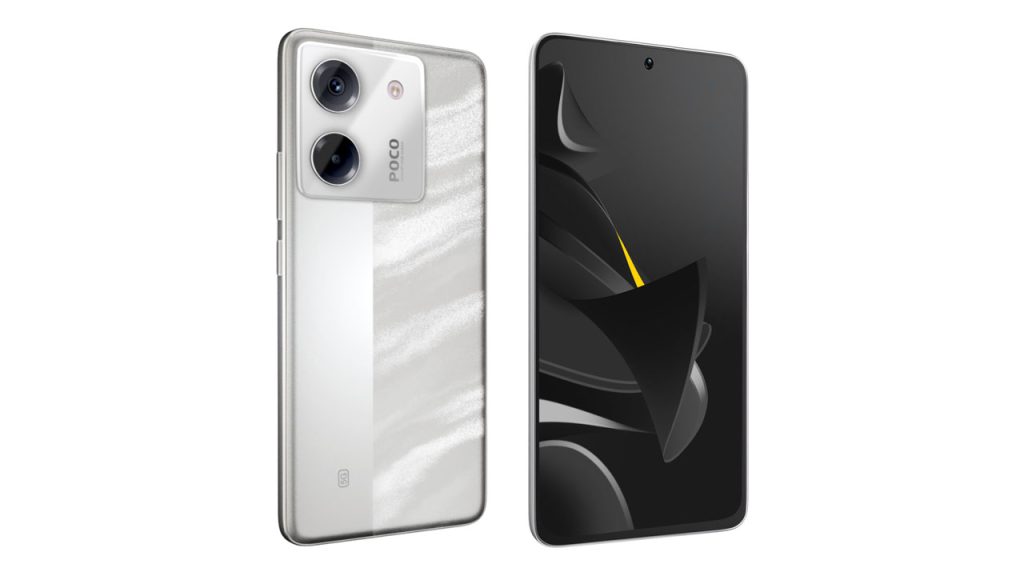
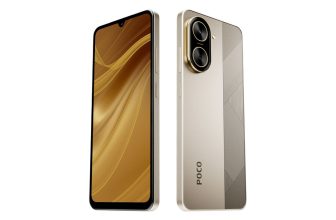
The POCO M7 Pro 5G is our best overall recommendation because it offers a strong combination of display quality, everyday performance, camera hardware, and charging speed.
Rather than concentrating on just one feature, it provides a well-rounded experience that should suit most users, from students and office workers to people who regularly watch videos and browse social media.
The phone features a 6.67-inch Full HD+ AMOLED display with a 120Hz refresh rate.
Colours look vibrant, blacks are deep, and text appears sharp; the screen is suitable for watching films, reading articles, and scrolling through apps.
Its high refresh rate also makes everyday navigation feel smoother than it would on a conventional 60Hz screen.
Performance comes from the MediaTek Dimensity 7025 Ultra chipset.
It can handle everyday applications, multitasking, and casual gaming comfortably.
Games such as BGMI and Call of Duty: Mobile are playable, although the best graphics and frame-rate settings will depend on the game and its optimisation.
You should not expect flagship-level gaming performance from a phone in this price range.
Photography is another reason to consider the M7 Pro. Its 50MP Sony LYT-600 primary camera includes optical image stabilisation, which helps reduce blur caused by small movements when taking photos.
It can produce detailed images in good lighting, and OIS can help with handheld photography in more challenging conditions.
The secondary 2MP camera is relatively limited, and low-light results are not that impressive. This is a capable main camera rather than a complete multi-camera system.
The 5,110mAh battery supports 45W wired charging. For most users, it should provide enough capacity for a full day of mixed use.
The POCO M7 Pro does have a few drawbacks. Its secondary camera offers limited versatility, and its software experience includes pre-installed applications that you may want to remove.
The 6GB RAM and 128GB storage variant is the one to focus on if your budget has a strict ₹15,000 ceiling; higher configurations can cost more.
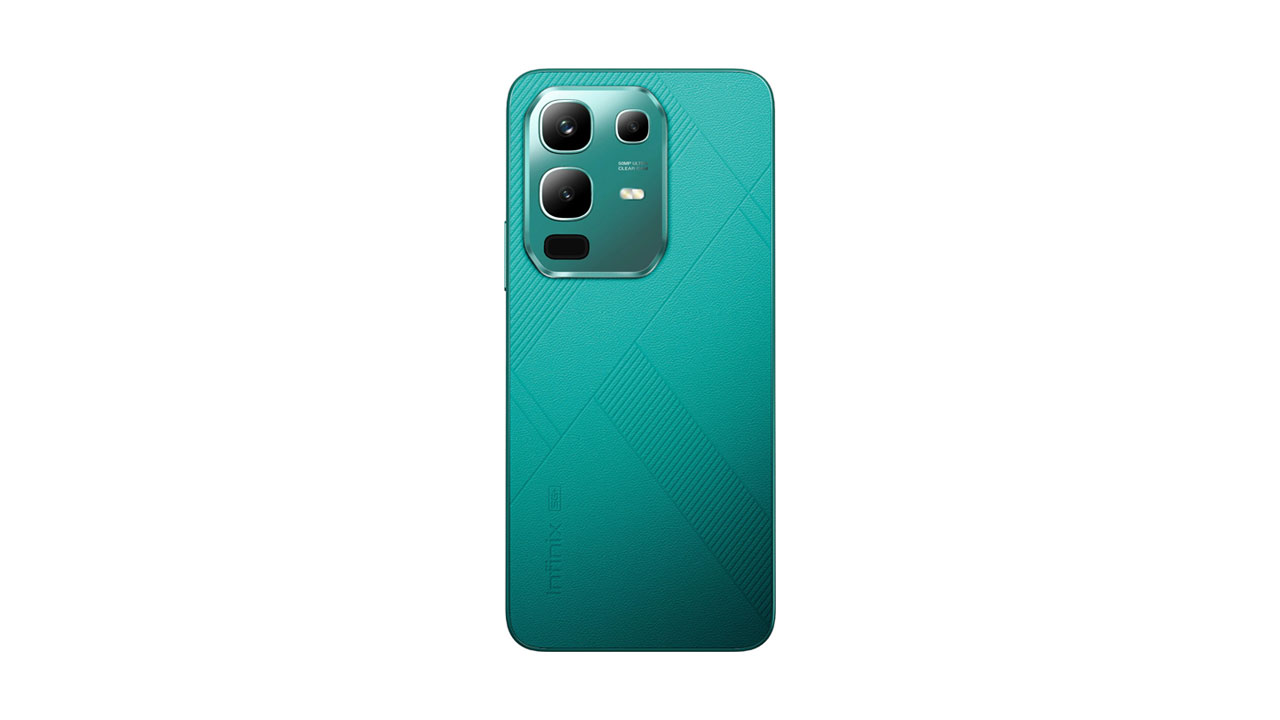
2. Best for Gaming and Performance: Infinix Note 50X 5G
If performance matters more to you than display resolution or camera versatility, the Infinix Note 50X 5G deserves serious consideration.
Its MediaTek Dimensity 7300 Ultimate processor is a key advantage over many entry-level and budget smartphones, giving it more processing headroom for gaming, multitasking, and demanding applications.
The 8GB RAM variant is the one to consider here. It offers more room for keeping applications active in the background and switching between tasks.
The Note 50X has a 6.67-inch HD+ display with a 120Hz refresh rate.
Scrolling through menus and supported games can feel smooth, but the lower resolution means text and fine details are not as sharp as they are on the Full HD+ AMOLED panel of the POCO M7 Pro.
Its display is therefore a compromise made in favour of performance and value.
The phone also packs a 5,500mAh battery with 45W charging support. That combination is great if you spend a lot of time gaming, streaming, or using mobile data.
Heavy gaming can still drain the battery quickly, and the phone may warm up during extended sessions.
Its 50MP rear camera is adequate for everyday photography in good lighting.
However, camera performance is not its main selling point, and low-light results can be less consistent.
You should also keep your expectations realistic when it comes to gaming: the chipset is powerful for this price bracket, but demanding titles may still require reduced graphics settings to maintain stable performance.
The Infinix Note 50X is great if you want a faster chipset without moving into a more expensive price category.
3. Best Camera Phone: POCO M7 Pro 5G
The POCO M7 Pro appears a second time on this list because its primary camera is one of its strongest features.
At this price, it offers a useful combination of a 50MP Sony LYT-600 sensor, a wide f/1.5 aperture, and optical image stabilisation.
These specifications matter more than the megapixel count alone.
The sensor captures image detail, the aperture helps the camera collect light, and OIS reduces the effect of small hand movements.
Together, these features can help the phone produce sharper photographs, particularly when the lighting is less than ideal.
In daylight, the main camera is capable of capturing detailed photos with pleasing colours. It is suitable for photographing people, everyday scenes, food, and travel moments.
OIS also helps when taking handheld shots indoors, although it cannot completely overcome poor lighting or prevent moving subjects from appearing blurred.
The 20MP front camera is another useful feature for selfie enthusiasts and video calls.
However, the phone’s rear camera setup is not versatile: the secondary 2MP camera does not provide the flexibility of a proper ultra-wide lens.
Video recording is also limited to Full HD at 30 frames per second on the rear camera, so this is not the ideal phone if you want advanced video features.
Night photography also has limitations. Although OIS and the main sensor help, images can still lose detail or show noise in very dark scenes.
You should not confuse a good primary camera with a camera system that competes with more expensive phones.
The POCO M7 Pro is therefore a sensible choice if you mostly use the main camera and want dependable everyday photos.
4. Best Battery Life: realme 14x 5G
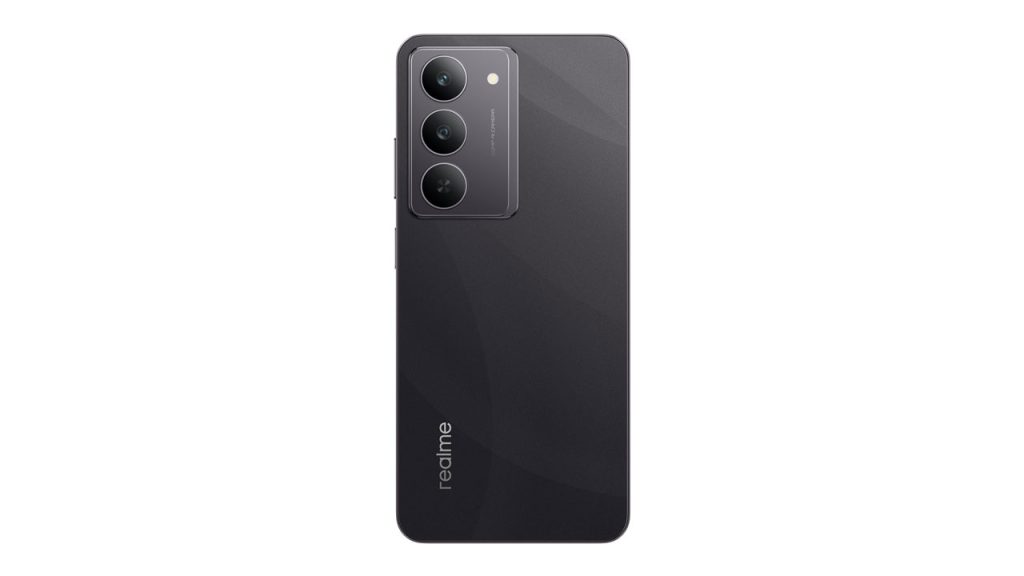
Battery life is important if you spend long hours away from a charger. The realme 14x 5G is a suitable option for you, thanks to its 6,000mAh battery and 45W wired charging support.
The large battery gives the phone a useful advantage for everyday activities such as messaging, video streaming, navigation, and browsing.
With light and moderate use, it may be able to stretch beyond a full day, while heavier activities should still get a reasonable amount of use between charges.
Gaming, prolonged camera use, high screen brightness, and weak network reception can reduce battery life significantly.
The realme 14x is powered by the MediaTek Dimensity 6300 chipset.
It is designed for everyday performance rather than high-end gaming, handling common applications and routine multitasking without requiring a premium budget.
It also supports 5G connectivity, so it is a practical choice if you want access to compatible next-generation mobile networks.
Its 6.67-inch HD+ LCD panel supports a 120Hz refresh rate. The screen is large and smooth for everyday use, but its resolution is not as high as the Full HD+ panel on the POCO M7 Pro.
This is one of the trade-offs to keep in mind if you regularly watch high-resolution videos or read a lot of small text.
The 14x also offers a durable design with IP68 and IP69 ratings on supported specifications, which provide a stronger level of dust and water resistance than many basic budget phones.
5. Best Display: Lava Blaze Pro 5G
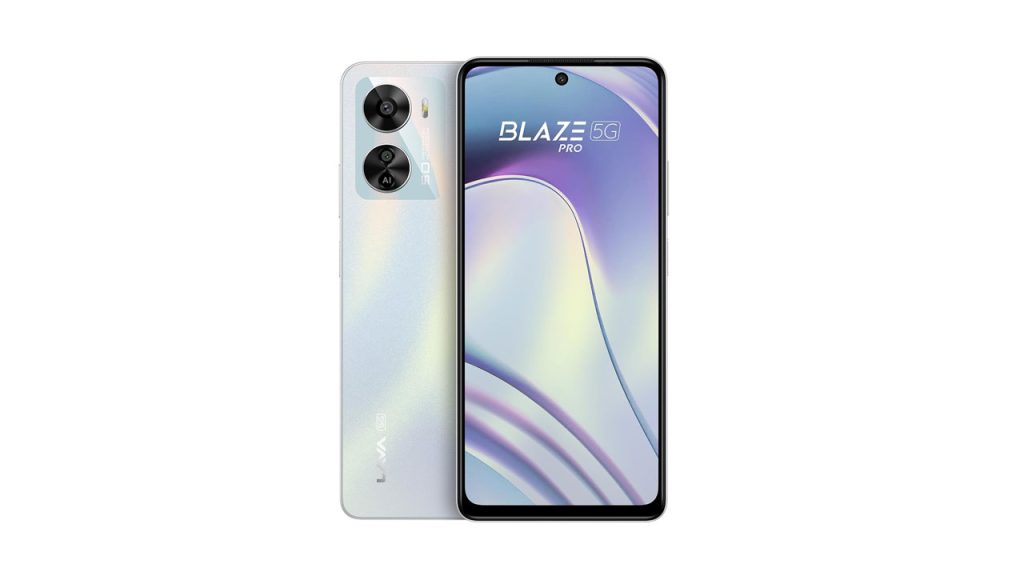
The Lava Blaze Pro 5G is included here as a budget smartphone with a large, high-refresh-rate screen.
However, there is an important distinction to make: a high refresh rate does not automatically mean a display is better than every competing panel.
The Blaze Pro 5G has a 6.78-inch Full HD+ LCD panel with a 120Hz refresh rate. A screen of this size is great for watching videos, reading, and gaming, while the higher refresh rate makes supported animations and scrolling look smoother.
LCD technology can also deliver a perfectly usable viewing experience, even though it cannot produce the same deep blacks as an AMOLED display. The phone’s large display is its main attraction in this category.
Which Smartphone Should You Buy?
The best smartphone under ₹15,000 depends on the feature you use most.
The POCO M7 Pro 5G is our recommendation for most buyers because it combines a sharp AMOLED display, a capable chipset, a primary camera with OIS, and 45W charging.
It is also a sensible choice if you want one phone for everyday use, entertainment, and casual gaming.
The Infinix Note 50X 5G is the better fit for processing power and gaming. Its Dimensity 7300 Ultimate chipset is a major reason to choose it, especially if you can find the 8GB RAM variant within budget.
If you want a phone with a large battery, the realme 14x 5G is worth considering. Meanwhile, the POCO M7 Pro remains our camera pick because of its main sensor and optical image stabilisation.
Ultimately, do not choose a phone based only on its megapixel count, battery capacity, or refresh rate.
Consider the complete experience, including display resolution, processor performance, software support, camera quality, charging speed, and warranty.
Prices can change quickly, so check the final price of your preferred configuration before placing an order.
We will update this guide as prices, availability, and new smartphone launches change the options available under ₹15,000.