Apple has just made a surprisingly big change to its iPhone strategy. For the first time in years, the company has launched its new-generation iPhones without releasing the standard model alongside the Pro versions.
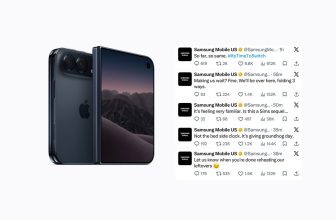
At its September 2026 event, Apple unveiled the iPhone 18 Pro and iPhone 18 Pro Max, along with its first foldable iPhone, but there was no standard iPhone 18.
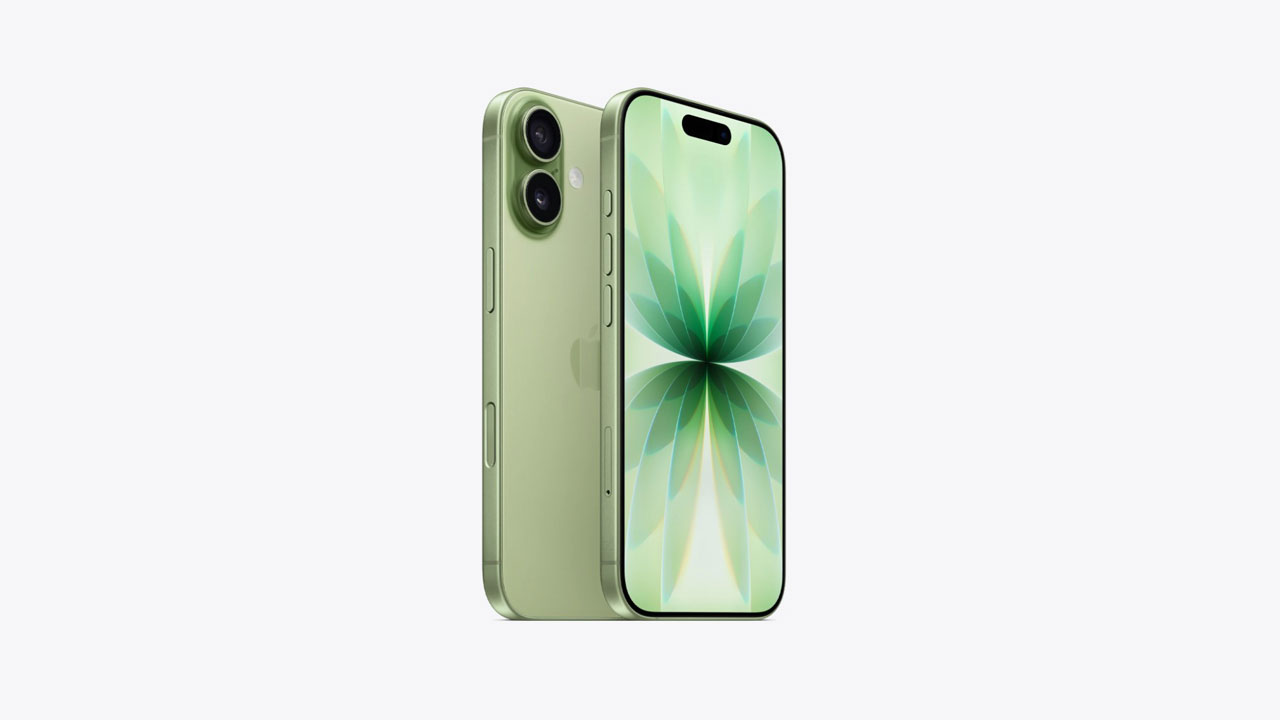
That doesn’t mean Apple has canceled the iPhone 18. Instead, the company appears to be splitting its iPhone launches into two separate windows, with the standard iPhone 18 expected to arrive in spring 2027.
So, why is Apple doing this?
Apple Is Changing Its iPhone Launch Strategy
For years, Apple’s main iPhone lineup has followed a predictable pattern: the standard iPhone launches alongside the Pro and Pro Max models in September.
That changes with the iPhone 18 generation.
Apple is now focusing its September launch on its most expensive and technologically advanced devices.
The iPhone 18 Pro, iPhone 18 Pro Max, and new foldable iPhone are taking center stage, while the cheaper models are being pushed to early 2027.
The expected schedule looks something like this:
| Launch period | Expected iPhone models |
|---|---|
| September 2026 | iPhone 18 Pro |
| September 2026 | iPhone 18 Pro Max |
| September 2026 | Foldable iPhone |
| Early 2027 | iPhone 18 |
| Early 2027 | iPhone 18e |
| Early 2027 | iPhone Air 2 |
Multiple reports had already pointed toward this change before Apple’s September event, and the absence of the standard model now confirms the major part of that strategy.
Apple Wants the Spotlight on Its Premium iPhones
One of the biggest reasons for the change is pretty straightforward: Apple has more expensive iPhones to sell than ever before.
The iPhone 18 Pro and Pro Max now sit alongside Apple’s first foldable iPhone, giving Apple a much more premium-focused September lineup.
The Pro models also received a $100 price increase, with the iPhone 18 Pro starting at $1,199 and the Pro Max at $1,299. The foldable iPhone Duo starts at an eye-watering $1,999.
Launching the cheaper iPhone 18 at the same time could potentially take some attention away from those products.
Instead, Apple gets an entire September-to-holiday shopping period where its newest iPhones are predominantly premium devices.
JPMorgan analyst Samik Chatterjee has similarly suggested that Apple’s staggered strategy is designed to put greater focus on the features of premium models and encourage customers to move up to more expensive devices.
The Foldable iPhone Changes Everything
There’s another obvious reason for the new schedule: the iPhone lineup is getting crowded.
Apple’s first foldable iPhone is the biggest new iPhone product in years. The device starts at $1,999 and features a large foldable display, Apple Pencil support, and other premium hardware.
Launching the standard iPhone 18, iPhone 18 Pro, Pro Max, and foldable simultaneously would give consumers a huge number of choices at very different price points.
By separating the releases, Apple can effectively create two major iPhone moments:
Fall: Premium iPhones and the foldable.
Spring: More affordable and mainstream iPhones.
That’s a much easier lineup for Apple to market.
Component Shortages Could Also Be a Major Factor
There is also a less exciting but extremely important reason: component costs and supply.
The smartphone industry is dealing with significant pressure on memory components, partly driven by demand from data centers and AI infrastructure.
Apple has already increased prices on several products, and the iPhone 18 Pro models are also more expensive than their predecessors.
Reports earlier this year specifically linked the decision to delay the standard iPhone 18 with rising RAM and NAND storage prices.
Delaying the standard model could give Apple more time to manage component supply and production capacity while prioritizing the higher-margin Pro models.
And that matters even more in a year when Apple is simultaneously ramping up production of a completely new foldable device.
Apple Can Spread iPhone Sales Across the Year
There’s also a business advantage to splitting the launches.
Traditionally, Apple’s biggest iPhone sales surge happens after the September launch, particularly during the holiday quarter. Then sales naturally cool down as the year progresses.
A spring launch gives Apple another opportunity to create a major sales spike.
Instead of having almost everything happen in September, Apple can potentially generate attention around its iPhones twice a year.
That could also help Apple keep its smartphone business relevant during the traditionally quieter months.
The iPhone 18 Isn’t Canceled
This is probably the most important thing to understand.
Apple hasn’t killed the iPhone 18. It has simply delayed it.
Current reports point toward a spring 2027 launch, potentially alongside the iPhone 18e and a second-generation iPhone Air.
Some reports have pointed to a launch around March 2027, although Apple has not officially announced a specific release date yet.
The standard iPhone 18 is also expected to bring some of the technologies introduced higher up in Apple’s lineup, although specifications remain unconfirmed.
This Could Become Apple’s New Normal
The biggest story here isn’t actually the missing iPhone 18. It’s the possibility that Apple is permanently moving away from one massive annual iPhone launch.
As Apple’s iPhone family continues to expand with Pro models, e-series phones, Air models, and now a foldable, putting everything on stage at the same time becomes increasingly difficult.
A staggered schedule gives Apple more opportunities to market individual products, manage manufacturing, and create multiple sales events throughout the year.
It also allows Apple to keep its premium models as the stars of its September event instead of having customers immediately compare them with a cheaper standard iPhone.
Apple skipping the iPhone 18 this year looks strange on the surface, but there’s actually a pretty clear strategy behind it.
The bigger question now is whether consumers will be willing to wait until 2027 for the regular iPhone 18 or simply pay the premium for an iPhone 18 Pro this year.
If this strategy works, Apple’s traditional September iPhone launch may have just become a thing of the past.