If you’re a gamer or streamer in 2025, you will probably need a good microphone(mic). For broadcasting your latest gameplay on Twitch, recording content for YouTube, or having clearer communication in voice chat, you need a microphone that can give you quality audio.
Audiences today are more discerning than ever. They’ll forgive a dropped frame here and there, but if your voice sounds muffled, distorted, or too quiet? You’ll lose viewers fast.
To help you choose the right mic for your setup, we have tested some of the most popular models on the market right now, ranging from budget-friendly plug-and-play options to high-end microphones that deliver near-broadcast-level sound.
Let’s take a look at the top picks for best gaming and streaming microphones(Mics) in 2025.
How to Pick a Good Mic in 2025?
Before we jump into individual reviews, let’s quickly go over what actually matters when choosing a microphone for gaming or streaming:
- USB vs XLR: USB mics are easier to use and ideal for most people. XLR mics offer higher audio fidelity and more control, but require an audio interface or mixer.
- Polar Patterns: Cardioid is the most common for solo streaming—it captures sound from the front and minimizes background noise.
- Onboard DSP: Features like compressors, EQ, and noise gates are now built into many mics. They improve sound without extra hardware or post-processing.
- Software Integration: Tools like Elgato Wave Link and Rode Unify allow you to mix game audio, voice chat, music, and mic levels on the fly.
Elgato Wave 3

Price: ~$149
Connection: USB
Best For: Mid-tier streamers or creators who want something reliable and easy to use
The Elgato Wave 3 remains one of the top choices for streamers in 2025. The latest version retains the clean, detailed audio from previous generations, with improvements to its built-in digital processing.
One of its biggest strengths is Wave Link 2.0, Elgato’s virtual mixer software. It lets you easily balance your microphone, game audio, chat, alerts, and more—all without extra hardware. And thanks to clip guard technology, your voice won’t distort even if you suddenly raise your volume.
Pros
- Excellent sound for a USB mic
- Very beginner-friendly
- Superb software integration
- Mute button and headphone volume control
Cons
- Limited to one polar pattern (cardioid)
- No XLR option for advanced setups
Final Verdict: The Wave 3 is still the gold standard for streamers who want great sound without the complexity of XLR setups.
Shure MV7+

Price: ~$249
Connection: USB + XLR
Best For: Advanced streamers or content creators who want professional features
The Shure MV7+ is an upgraded version of the beloved MV7, inspired by the legendary SM7B. What makes the MV7+ so compelling is its hybrid USB/XLR design. You can use it as a simple plug-and-play USB mic today and upgrade to an XLR audio interface later if your setup evolves.
Now it has improved DSP (digital signal processing), which includes real-time voice enhancement, noise reduction, and EQ presets—all configurable via Shure’s MOTIV app.
Pros
- Dual USB/XLR flexibility
- Very clean, broadcast-like sound
- Built-in noise suppression and EQ
- Solid, professional build
Cons
- More expensive than standard USB mics
- Slightly bulky for small desks
Final Verdict: If you’re serious about content creation and want a mic that can grow with you, the MV7+ is a fantastic investment.
Rode X XCM-50

Price: ~$129
Connection: USB
Best For: New streamers or gamers who want solid performance without breaking the bank
The Rode XCM-50 is part of Rode’s gaming-focused line, and it’s a strong contender in the entry-level to mid-range bracket. It delivers excellent sound quality for the price and comes with built-in DSP, so you can apply compression, noise gating, and EQ right from Rode’s UNIFY software.
It also includes a shock mount and pop filter, features that many mics in this range lack.
Pros
- Clear, natural voice reproduction
- Integrated DSP for real-time processing
- Virtual mixing via Rode UNIFY
- Compact and well-designed
Cons
- No XLR support
- Limited polar pattern selection
Final Verdict: This is a strong pick for gamers who want good audio without a steep learning curve or a massive investment.
Blue Sona
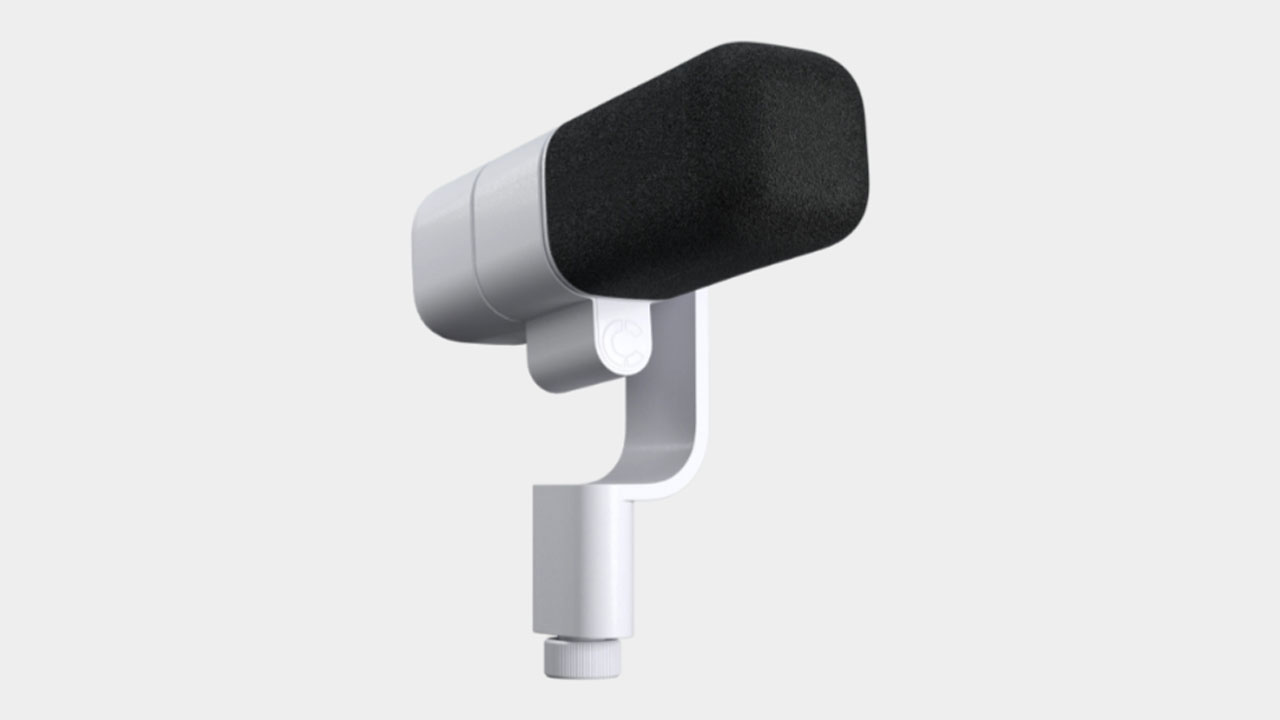
Price: ~$299
Connection: XLR
Best For: High-end streaming or podcast-style content
Logitech’s Blue Sona is a bold, modern-looking microphone with broadcast-level sound. It’s an XLR-only dynamic mic designed to deliver warm, rich tones with excellent background noise rejection. If your stream is focused on storytelling, long-form content, or you just want that smooth, professional sound, this is a fantastic choice.
It includes an internal shock mount and doesn’t require a Cloudlifter thanks to its active gain, which makes it easier to power with standard audio interfaces.
Pros
- Outstanding sound quality
- Sleek, modern design
- Internal gain boost and shock mount
- Superb noise isolation
Cons
- Requires an audio interface (XLR only)
- Pricey compared to USB alternatives
Final Verdict: Ideal for creators who already have or are planning to invest in a full audio setup. Your voice will sound rich, present, and professional.
HyperX QuadCast S
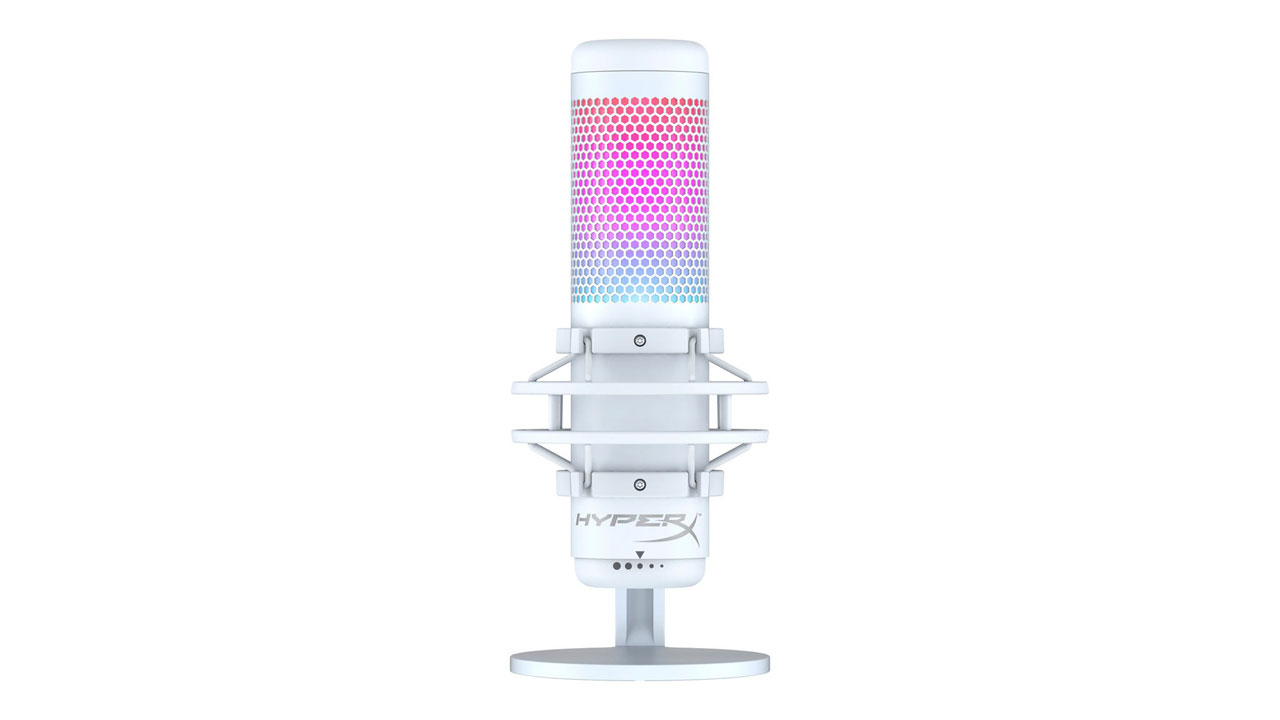
Price: ~$139
Connection: USB
Best For: Streamers who want aesthetics and performance
The HyperX QuadCast S is known for its eye-catching RGB lighting, but it’s not just about the looks. It offers surprisingly good audio quality, with four selectable polar patterns (including cardioid, stereo, omnidirectional, and bidirectional), and built-in features like a pop filter, shock mount, and touch-sensitive mute button.
For streamers who want a microphone that sounds good and fits into a vibrant, customized setup, it’s a great choice.
Pros
- Adjustable polar patterns
- Built-in shock mount and pop filter
- Visually appealing RGB design
- Mute touch control is intuitive
Cons
- Larger than average
- Slightly more background noise than others
Final Verdict: If you care as much about how your mic looks as how it sounds, this is a great mix of style and substance.
Honorable Mentions
- Razer Seiren V3 Pro – A USB dynamic mic with decent sound and solid build, though software still lags behind Elgato and Rode.
- Fifine AM8 RGB – A budget-friendly dynamic mic with surprisingly solid quality. Great for beginners who want RGB and affordability.
- Audio-Technica AT2040 – Still a good dynamic XLR mic, although newer options like the Blue Sona outshine it in terms of features.
Quick Summery
| Microphone | Best For | Price Range | Summary |
|---|---|---|---|
| Elgato Wave 3 | Streamers who want simplicity + quality | $$ | Clean USB mic with great software |
| Shure MV7+ | Pros and advanced streamers | $$$ | USB/XLR hybrid with built-in processing |
| Rode X XCM-50 | Beginners looking for solid audio | $$ | Great entry-level mic with virtual mixer |
| Blue Sona | Studio-level streaming setups | $$$ | High-quality XLR mic, rich tone |
| HyperX QuadCast S | Streamers with style | $$ | RGB aesthetics with solid performance |
Final Thoughts: Which One Should You Buy?
Choosing the right mic depends on your goals, budget, and setup. Here’s a quick breakdown:
- Just starting out? Go for the Rode XCM-50 or Elgato Wave 3—great sound, easy setup, and solid software.
- Leveling up your content? The Shure MV7+ gives you pro features with future-proof flexibility.
- Going all-in with XLR and a studio setup? The Blue Sona is an excellent, high-quality choice.
- Want great sound and eye-catching aesthetics? The HyperX QuadCast S delivers both.
No matter what mic you choose, the most important thing is consistency and clarity. Your audience wants to hear you, your personality, your commentary, your reactions. Make sure your mic supports that.
If you’re ready to step up your audio game, any of these options will give your stream or channel a noticeable quality boost in 2025.