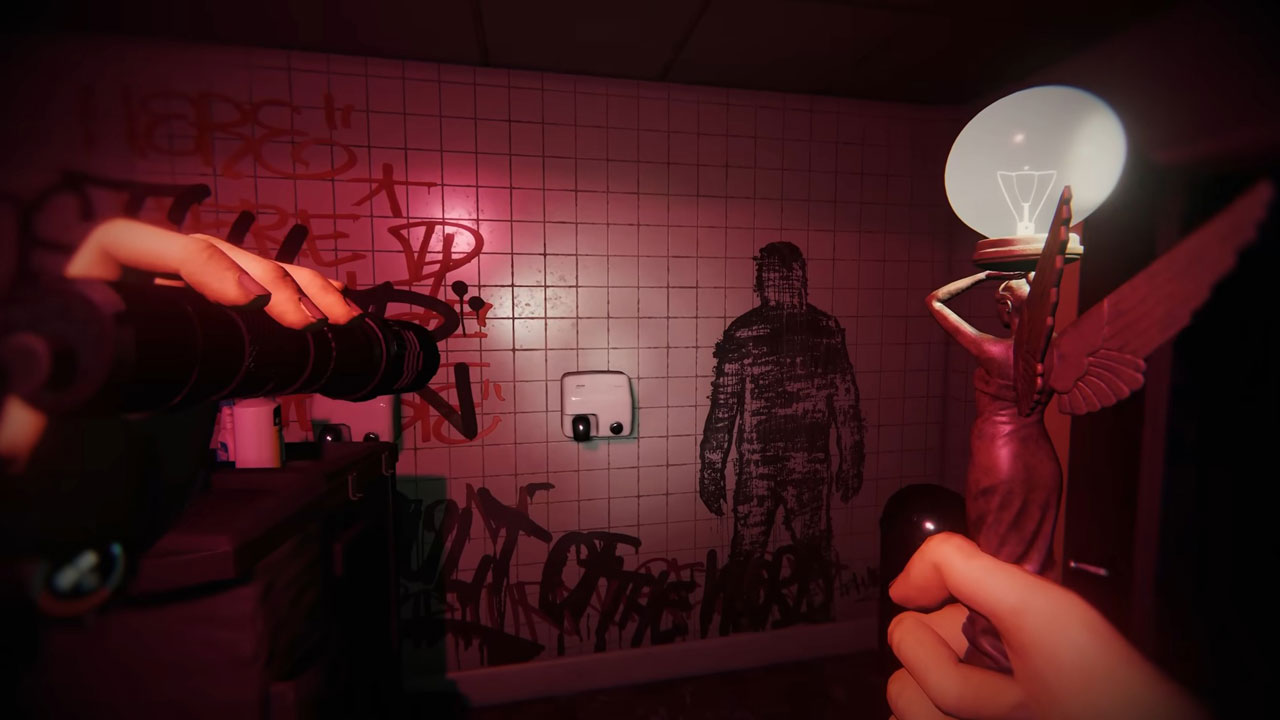
Phasmophobia is a unique co-op horror game. Instead of fighting monsters, you take on the role of paranormal investigators who have to collect evidence, identify the ghost, and escape alive.
While the concept sounds simple, every investigation can quickly turn into a terrifying experience if you don’t understand the game’s mechanics.
This guide covers essential Phasmophobia tips and tricks for beginner players, including money-making strategies, ghost hunting techniques, evidence collection, and survival tactics.
Learn the Three Evidence System
Every ghost leaves behind a unique combination of three types of evidence, and your primary objective is to discover these clues using specialized equipment before making your final guess.
The seven possible evidence types are EMF Level 5, Ultraviolet fingerprints, Ghost Writing, Freezing Temperatures, DOTS Projector, Spirit Box responses, and Ghost Orbs.
Since each ghost only leaves three of these, carefully eliminating impossible evidence is just as important as finding new clues.
Always focus on locating the ghost room before attempting to gather evidence, as searching randomly across the map wastes valuable time.
Find the Ghost Room Quickly
The ghost room is where most paranormal activity occurs, making it the most important location during every investigation.
The quickest way to find it is by using the Thermometer to locate the coldest room while also watching for doors opening by themselves, objects being thrown, lights switching on or off, and EMF readings from recently interacted objects.
Once you’ve confirmed the room, immediately move your investigation equipment there to begin collecting evidence more efficiently.
Don’t Carry Too Much Equipment
One of the biggest mistakes new players make is carrying too many tools at once, slowing down their investigation.
A more efficient approach is to take only the essentials on each trip. Your first trip should include a Flashlight, Thermometer, and EMF Reader so you can locate the ghost room quickly.
Once you’ve found it, return with a Video Camera, DOTS Projector, and Ghost Writing Book to begin passive evidence collection.
On your third trip, bring the Spirit Box, UV Light, and a Crucifix if needed. This approach keeps you organized and reduces unnecessary walking around the map.
Use the Thermometer Correctly
The Thermometer is one of the strongest investigation tools, but it works best when used correctly.
After entering each room, wait a few seconds for the temperature reading to stabilize instead of checking it immediately.
Ignore temporary temperature changes caused by open doors or movement between rooms, and look for an area that consistently remains colder than the surrounding rooms.
Freezing Temperatures are only confirmed once the reading drops below 0°C (32°F), so don’t mistake cool temperatures for freezing evidence.
Place Equipment Instead of Holding It
Rather than constantly carrying investigation tools, place them inside the ghost room so they can collect evidence while you perform other tasks.
Position the Ghost Writing Book on the floor, aim the DOTS Projector across the room where the ghost is likely to pass, and place the Video Camera where it has a clear view of the room.
Leaving the EMF Reader near frequently interacted objects can also help detect evidence without requiring you to hold it.
Proper equipment placement allows multiple forms of evidence to appear at the same time, speeding up investigations.
Always Check the Truck
Don’t spend the entire investigation inside the haunted location. The truck provides valuable information that can help you identify the ghost safely.
From there, you can monitor your team’s sanity levels, check the activity graph, review security camera footage, track optional objectives, and organize collected evidence.
Watching the camera feed from the truck is also one of the safest ways to spot Ghost Orbs or DOTS evidence without risking another ghost hunt.
Learn Ghost Hunting Behavior
Understanding how hunts work is more important than simply gathering evidence.
During a hunt, your flashlight will begin flickering, the front door will lock, and electronic devices will malfunction.
The ghost can detect active electronics and, if voice recognition is enabled, it may also hear nearby players speaking.
As soon as a hunt begins, switch off unnecessary electronics, remain quiet, and immediately move to a nearby hiding spot.
Know Where to Hide
Before beginning your investigation, spend a few moments identifying possible hiding spots around the map.
Closets, lockers, storage rooms, spaces behind stacked boxes, and furniture that completely blocks the ghost’s line of sight can all provide safe places during a hunt.
Planning your escape route in advance is much safer than desperately searching for somewhere to hide once the ghost has already started chasing players.
Turn Off Electronics While Hiding
Many players accidentally reveal their location during hunts by forgetting to disable their equipment.
While hiding, switch off your flashlight, stop using the Spirit Box, and put away any active electronic devices.
If you’re playing with voice recognition enabled, remain completely silent until the hunt ends. Even small mistakes can alert certain ghosts to your location and turn a safe hiding spot into a dangerous one.
Learn Every Ghost’s Unique Ability
On higher difficulties, collecting all three pieces of evidence isn’t always possible, making ghost behavior extremely important.
Every ghost has unique traits that may include faster movement speeds, more frequent hunts, special paranormal abilities, distinctive interactions, or different sanity thresholds before hunting begins.
Learning these behaviors allows you to identify ghosts even when evidence is limited.
Don’t Waste Smudge Sticks
Smudge Sticks are among the strongest defensive tools in Phasmophobia, but timing is everything.
Instead of using them at the beginning of an investigation, save them for critical situations such as escaping a ghost during a hunt, temporarily repelling it while fleeing, or completing optional objectives that require incense.
Using them too early provides little value when compared to saving them for emergencies.
Complete Optional Objectives
Many players identify the ghost and leave immediately, but doing so means missing out on valuable rewards.
Optional objectives, such as witnessing a Ghost Event, cleansing the area with Incense, escaping a hunt, detecting paranormal sounds, or having the ghost blow out a Firelight, increase both cash and experience earned at the end of a contract.
Completing these tasks whenever it is safe to do so is one of the fastest ways to progress.
Watch Your Sanity
Sanity management is one of the most important mechanics in Phasmophobia, especially on higher difficulties.
As your sanity drops, the ghost becomes increasingly likely to begin hunts. You can slow sanity loss by keeping lights on whenever possible, staying close to teammates, minimizing unnecessary time inside the haunted location, and using Sanity Medication when available.
Careful sanity management is the main difference between a successful investigation and an early death.
Communicate With Your Team
Good communication is necessary when playing cooperatively.
Assigning responsibilities such as evidence collection, camera monitoring, sanity tracking, and optional objective completion helps every player stay focused on a specific task.
Coordinated teamwork speeds up investigations, reduces confusion, and minimizes unnecessary risks during dangerous hunts.
Learn Map Layouts
Every investigation becomes easier once you’re familiar with the map.
Knowing the locations of the fuse box, hiding spots, room names, staircases, and the fastest escape routes allows you to react much more quickly when paranormal activity increases.
Spending time learning smaller maps before moving on to larger locations is an excellent way to improve survival rates.
Keep the Power On
Restoring the breaker should be one of your first priorities after entering most locations.
With the electricity running, rooms gradually warm up, making the cold ghost room much easier to identify using the Thermometer.
Keeping lights on also improves visibility and slows sanity drain, helping your team survive longer.
Keep in mind that certain ghost events or ghost interactions may switch the breaker off, so checking it periodically is always a good idea.
Don’t Ignore Sound Cues
Sound is one of the most reliable ways to locate ghost activity. Listen carefully for footsteps, creaking doors, objects being thrown, light switches clicking, telephones ringing, or sinks filling with water.
These interactions point directly toward the ghost room, and you can locate the ghost much faster than relying solely on equipment.
Master the Spirit Box
The Spirit Box only functions under the correct conditions, so using it properly is essential.
Make sure you’re standing inside the ghost room, turn off the lights if necessary, and ask clear, supported questions.
Before speaking, check the journal to see whether the ghost responds to everyone or only to players who are alone.
After each question, wait a few moments for a response instead of speaking continuously, as ghosts sometimes take time to answer.
Upgrade Your Equipment
As you gain levels and unlock higher-tier investigation tools, your chances of completing contracts successfully improve significantly.
Upgraded equipment provides better detection range, gathers evidence more quickly, offers greater reliability, and performs much better on larger maps.
Investing in better gear makes investigations faster, safer, and more consistent.
Practice on Amateur Difficulty
New investigators should avoid jumping directly into Professional or Nightmare difficulty.
Amateur mode provides a longer setup period, lower hunting pressure, and more forgiving mechanics with plenty of time to learn evidence collection, ghost behavior, and map layouts.
Once you can consistently identify ghosts correctly, moving up to the harder difficulties will provide better rewards and a more exciting challenge.
Final Words
Phasmophobia needs patience, teamwork, and observation far more than quick reactions. Learning how each investigation tool works, recognizing ghost behaviors, and managing your sanity will improve your success rate.
As you gain experience, you’ll begin identifying ghosts through their unique patterns even before collecting all the evidence.
We hope that these tips and tricks will help you complete contracts more consistently, survive dangerous hunts, and earn the money needed to upgrade your equipment for even tougher investigations.