Gothuc 1 Remake carries the legacy of the original Gothic. Released in 2001, it became a cult classic due to its immersive world, dynamic NPCs, unforgiving progression, and complete lack of hand-holding.
While it never reached the mainstream popularity of later RPG giants, its influence can be seen in series such as The Witcher and many modern open-world RPGs.
More than two decades later, Gothic 1 Remake brings us back to the infamous Valley of Mines. Rather than modernizing every aspect of the experience, developer Alkimia Interactive has chosen a different path: preserving the soul of the original and rebuilding it with modern technology and improved gameplay systems.
The result is one of the most authentic RPG remakes in recent memory, one that is as rewarding as it is frustrating.
Welcome to the Colony
The story remains largely faithful to the original. You play the role of the Nameless Hero, a prisoner thrown into a mining colony trapped beneath a magical barrier. Inside the colony, power belongs to rival factions rather than the king’s forces, and survival depends on choosing allies carefully.
What immediately stands out is the world itself. The Colony feels alive in ways many modern RPGs still struggle to achieve.
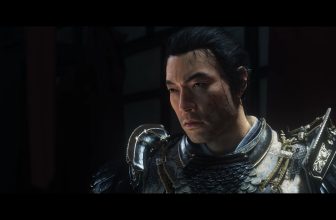
NPCs follow daily routines, react to your actions, and often treat you like the nobody you are. Unlike many modern RPG protagonists who are instantly recognized as a chosen hero, Gothic forces players to earn every bit of respect.
The world-building is one of the game’s greatest strengths. Every camp has its own politics, culture, and ambitions, making faction choices impactful rather than cosmetic.
Exploration Without Hand-Holding
One of the biggest selling points and potential deal-breakers is the game’s refusal to guide players.
There are no glowing paths leading to objectives. Quest markers are minimal. NPCs often provide directions through dialogue, expecting you to pay attention and actually explore. Information becomes a valuable resource, and discovery feels genuinely rewarding.
This design philosophy creates unforgettable moments. Finding a hidden cave, stumbling into a dangerous area too early, or discovering a quest solution through observation feels incredibly satisfying.
However, the same philosophy can also be frustrating. Some quests are vague, and newcomers accustomed to modern RPG conveniences may spend significant time wandering without clear direction.
Combat Has Improved, But It’s Still Gothic
Combat in the original Gothic was often criticized for its awkward controls and clunky animations. The remake addresses many of these issues with smoother movement, better animations, improved feedback, and more responsive controls.
That doesn’t mean combat is easy. Enemies hit hard, resources are limited, and poor decisions are punished quickly.
Early encounters with wildlife can end your adventure within seconds. Character progression feels meaningful because every new weapon skill and combat upgrade noticeably improves effectiveness.
Yet traces of the original game’s “eurojank” remain. Some animations can feel awkward, enemy behavior occasionally behaves unpredictably, and certain mechanics still require patience to master.
For old fans, that’s part of the charm. For newcomers, it may test their tolerance.
A Stunning Recreation of the Valley of Mines
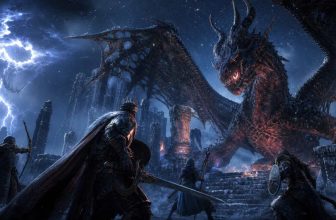
Visually, Gothic 1 Remake is a dramatic leap forward. Built using Unreal Engine 5, the game transforms the Valley of Mines into a richly detailed and atmospheric world.
Dense forests, dangerous wilderness, and rugged mining camps create a setting are beautiful and at the same time, hostile.
Lighting and environmental detail significantly enhance immersion. The Colony is larger and more believable than ever before while maintaining the oppressive atmosphere of the original game.
The soundtrack also deserves praise. Returning composer Kai Rosenkranz has reimagined the original score while preserving its iconic identity, creating a soundtrack that perfectly complements the harsh world.
Technical Issues Hold It Back
Despite its strengths, Gothic 1 Remake isn’t free from technical problems.
There are Various reports of bugs, occasional crashes, NPC pathfinding issues, and performance inconsistencies. Console versions have faced additional criticism for frame-rate limitations and optimization concerns.
These issues occasionally break immersion and remind players that Gothic’s rough edges haven’t entirely disappeared.
Fortunately, the developers have already committed to post-launch updates and ongoing improvements.
Not for Everyone and That’s Okay
Perhaps the most impressive aspect of Gothic 1 Remake is its confidence.
In an era where many RPGs prioritize accessibility and convenience, Gothic remains stubbornly committed to its original vision. It doesn’t constantly reward players. It doesn’t explain everything. It doesn’t care if you’re frustrated.
And somehow, that’s exactly what makes it special. The game demands patience, curiosity, and perseverance.
If you are willing to embrace its old-school design, you will find one of the most immersive RPG experiences available today. If you are looking for a streamlined adventure, you may bounce off its harsh learning curve and occasional jank.
Verdict
Gothic 1 Remake successfully accomplishes what many remakes fail to do: it preserves the identity of the original while making meaningful improvements where they matter most. The world remains immersive, the progression remains rewarding, and the atmosphere remains unmatched.
Its technical issues and old-school design won’t appeal to everyone, but for RPG fans seeking a challenging, deeply immersive adventure, Gothic 1 Remake stands as one of the most memorable RPG releases of 2026.
TechGamesNews Rating: 8.5/10