Foldable phones have moved well beyond the early days of experimental hardware.
In 2026, the best foldables are thinner, lighter, more durable, and powerful enough to replace a conventional flagship for many people.
The competition has also become considerably tougher, with Samsung introducing the Galaxy Z Fold8 Ultra and Google adding the Pixel 11 Pro Fold to an already crowded premium market.
The much harder question for buyers right now: which foldable phone is actually the best in 2026?
There is no single answer for everyone. Samsung has pushed productivity and multitasking, Google has doubled down on AI and computational photography, while companies such as HONOR, OPPO and vivo continue to compete aggressively on hardware, battery capacity and slim designs.
After comparing the current generation of book-style foldables, these are the best foldable phones you should consider in 2026.
Best Fold Phone in 2026: Samsung Galaxy Z Fold8 Ultra
The Samsung Galaxy Z Fold8 Ultra is the most complete foldable package currently available.
Samsung has spent several generations refining the Galaxy Z Fold formula, and the Ultra finally feels like a more serious attempt to separate its premium foldable from the standard Fold.
The phone has an 8-inch internal display with a 6.5-inch cover screen, Snapdragon 8 Elite Gen 5 performance, a 5,000mAh battery and a 200MP primary camera.
Samsung has also improved the hinge and reduced the visibility of the crease compared with older generations.
Its biggest advantage, however, is not any individual specification. It is the way the hardware and software work together.
One UI 9 is built around the large internal display, with multi-window functionality allowing users to run multiple applications simultaneously.
That makes the Fold8 Ultra particularly useful for people who want their foldable to function as a miniature tablet rather than simply as a phone that happens to open into a larger screen.
The camera system is also more versatile than Samsung’s standard Galaxy Z Fold8. The Ultra gets a 200MP main camera, 50MP ultrawide and 10MP telephoto with 3x optical zoom.
The downside is straightforward: price. At around $2,099 in the US, it is firmly in luxury-phone territory.
Some testing also pointed out that Samsung’s telephoto hardware is less ambitious than what some competing foldables offer.
Still, if you want the most polished combination of productivity, software, performance, display technology and camera flexibility, the Galaxy Z Fold8 Ultra is the safest overall choice.
Best Fold Phone for Most People: Samsung Galaxy Z Fold8
Not everyone needs the Ultra. The standard Galaxy Z Fold8 is arguably the more sensible Samsung foldable for everyday buyers.
It keeps the Snapdragon 8 Elite Gen 5 platform and Samsung’s extensive foldable software experience but uses a smaller 7.6-inch internal screen and weighs just 201g, making it Samsung’s lightest Galaxy Z Fold to date.
Samsung has also widened the overall design, making the phone more comfortable to use when folded. The cover display measures 5.5 inches, while the internal panel expands to 7.6 inches.
The camera setup is less ambitious than the Ultra, with a 50MP main camera and 50MP ultrawide rather than the Ultra’s 200MP main sensor and dedicated telephoto. For everyday photography, though, that is unlikely to be a deal-breaker for most people.
The biggest reason to choose the Fold8 over the Ultra is simple: you get the core Galaxy Z Fold experience without paying for every available upgrade.
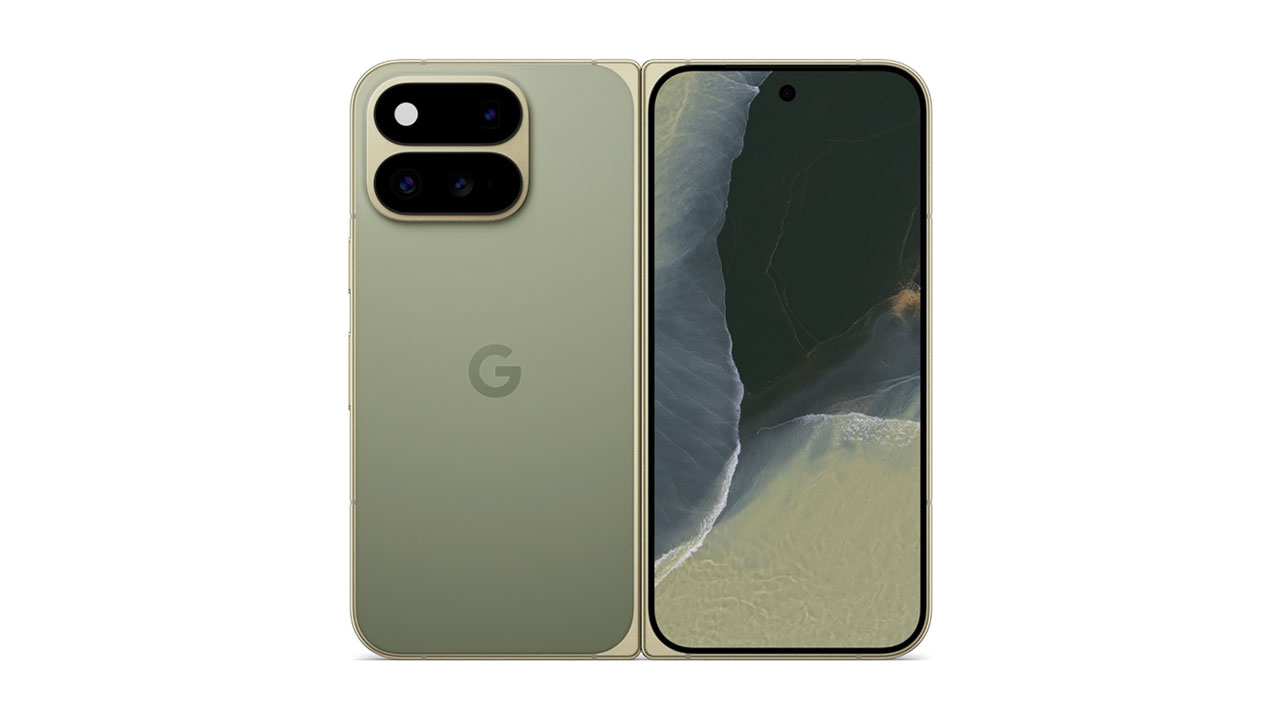
Best Fold Phone for AI and Pixel Photography: Google Pixel 11 Pro Fold
The Google Pixel 11 Pro Fold is the most interesting alternative to Samsung’s approach.
The Tensor G6 powers Google’s newest foldable and comes with 16GB of RAM, while its 8-inch internal display and 6.5-inch outer screen both support 120Hz refresh rates.
Google also gave the phone a triple-camera system with a 48MP main camera, 10.8MP 5x telephoto, and 10.5MP ultrawide.
The Pixel’s strength is not raw benchmark performance. Google is instead using its hardware to support its software and AI ecosystem.
Android 17, Gemini-powered features, and Google’s computational photography approach give the Pixel 11 Pro Fold a distinct identity.
Features such as AI-assisted photography and Google’s editing tools are more useful if you prefer the phone to handle more image processing automatically.
The Pixel 11 Pro Fold is also IP68-rated and introduces PixelSnap magnetic wireless charging, giving it some practical advantages over older Pixel foldables.
But Google has not completely solved the hardware problem. At $1,899, the Pixel 11 Pro Fold is still extremely expensive.
It is also heavier and less aggressively thin than some newer Chinese foldables, and its camera system does not quite match Samsung’s premium Ultra model overall.
That makes the Pixel 11 Pro Fold a particularly good choice for Pixel fans, photographers who like Google’s processing.
Best Thin Foldable: HONOR Magic V6
If your biggest complaint about foldables is that they still feel like thick, heavy phones, the HONOR Magic V6 deserves serious attention.
HONOR has focused heavily on reducing the physical compromises associated with folding phones. The Magic V6 is only 8.75mm thick when folded and weighs 219g, while still using a Snapdragon 8 Elite platform.
The phone also packs a huge battery, with the global model offering a 6,660mAh cell. That is a major advantage over several mainstream foldables, particularly for heavy users who spend a lot of time using the internal display.
The Magic V6 is less about copying Samsung and more about attacking one of the biggest remaining weaknesses of foldables: portability.
It is worth noting that availability and pricing vary considerably by market. That matters because the Magic V6 is a much easier recommendation in regions where HONOR officially sells the phone and provides full local support.
Best Hardware Value: OPPO Find N6
The OPPO Find N6 is one of the most compelling foldables for buyers who care more about hardware than brand recognition.
OPPO equips it with Qualcomm’s Snapdragon 8 Elite Gen 5, putting it directly into the flagship performance class.
The phone launched in March 2026 and comes with a large foldable display, up to 16GB of RAM and a 6,000mAh battery.
The Find N6 is particularly interesting because OPPO has attacked the areas where Samsung has traditionally been strongest: thinness, performance and overall hardware refinement.
In fact, comparisons between the Find N6 and Galaxy Z Fold7 have already shown just how aggressively OPPO has challenged Samsung’s traditional advantage in foldable hardware.
The problem is availability. OPPO’s foldable is not as straightforward to purchase in every market as Samsung or Google devices.
You should check Software localization, after-sales support, and network compatibility before importing one.
Best Battery Life: vivo X Fold5
The vivo X Fold5 is a strong option if you put battery life high on your list.
The phone features a 6,000mAh battery, Snapdragon 8 Gen 3, 16GB RAM and 80W charging. It also uses a 50MP ZEISS triple-camera setup with a dedicated 50MP telephoto camera.
Its 8.03-inch internal display and 6.53-inch outer display are capable of video, gaming, reading, and multitasking.
The ZEISS camera partnership also gives it a more photography-focused identity than many foldables.
The drawback is the same issue that affects several Chinese foldables: regional availability. If the X Fold5 is officially supported in your market, it is much easier to recommend. If not, warranty and software considerations become much more important.
What About the OnePlus Open 2?
The original OnePlus Open remains an excellent foldable, with a Snapdragon 8 Gen 2, 16GB RAM, 512GB storage, 4,805mAh battery and 67W charging.
However, reports in early 2026 say that the expected OnePlus Open 2 was cancelled. Some leaked specifications suggested a much larger battery and newer Snapdragon hardware.
We will update the details if we find anything new on the OnePlus Open 2
Which Fold Phone Should You Buy?
The answer depends heavily on what you want from the device.
If money is no object and you want the most complete package, Samsung Galaxy Z Fold8 Ultra is the phone to buy. It combines a huge internal display, flagship performance, strong cameras, and mature foldable software.
If you want a Samsung foldable without paying Ultra money, Galaxy Z Fold8 makes more sense. It is lighter and still delivers the core Fold experience.
If photography and AI are your priorities, Google Pixel 11 Pro Fold is the more interesting alternative. Google’s software gives it an identity that goes beyond simply offering another large folding screen.
For people who hate bulky foldables, HONOR Magic V6 is one of the most convincing choices because of its thin design and enormous battery.
If you’re chasing hardware and performance, OPPO Find N6 deserves a look, assuming it is officially available and supported where you live.
And if battery life and charging speed matter most, vivo X Fold5 is one of the strongest options.
Final Verdict
The foldable market has reached the point where choosing the “best” phone is no longer simply about finding the device with the largest screen or the newest processor.
Samsung currently has the strongest overall ecosystem around a book-style foldable, and the Galaxy Z Fold8 Ultra is the most complete premium package.
Google’s Pixel 11 Pro Fold is a more software-driven alternative, particularly for people who value Google’s AI and camera processing.
Meanwhile, HONOR, OPPO and vivo demonstrate why Samsung cannot afford to become complacent: thinner bodies, larger batteries and increasingly aggressive hardware are changing what buyers expect from foldables.
As more foldables launch and prices change throughout 2026, this ranking will continue to evolve.